


By Samuel SAM
More than 2,400 young women in northern Ghana have acquired employable skills in industrial trades under the Women’s Economic Empowerment in the Northern Region (WEE-North) project, helping to open pathways into paid employment and entrepreneurship in traditionally male-dominated sectors.
The five-year initiative, funded by Global Affairs Canada and implemented by Alinea International, targets young women aged 18 to 35 from remote and underserved communities across the five northern regions. It focuses on reducing youth unemployment and narrowing gender gaps in higher-value technical occupations.
Through the programme, beneficiaries have been trained in trades, including electrical installation, solar systems, welding, plumbing, carpentry, bricklaying, gas fitting, metal fabrication, tiling and small engine repair. The project aims to challenge entrenched gender stereotypes while equipping participants with market-relevant technical and business skills.
Originally designed to train 2,000 young women, WEE-North exceeded its target by working closely with families, technical and vocational education and training (TVET) institutions, industry players and community leaders. In addition to technical training, the project provides mentorship, start-up support, access to savings and loans groups, and social empowerment interventions.
The achievements were highlighted at the project’s closing ceremony in Tamale, held under the theme “WEE-North: Empowering Women in Non-Traditional Trades for the Northern Economy of Ghana”. The two-day event brought together development partners, government officials, training institutions and beneficiaries.
Describing the initiative as pioneering, organisers said WEE-North is the first comprehensive programme of its kind in northern Ghana to systematically promote women’s participation in industrial trades, with a strong focus on gender equality and economic independence.
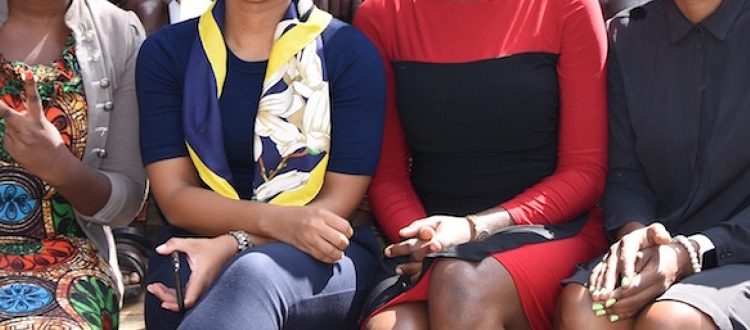
Yaa Nkansah Asamoah-Aning, an International Assistance Officer at the High Commission of Canada in Ghana, commended Alinea and its partners for bridging gender gaps in technical training.
“Over the past six years, Canada has been privileged to partner with Alinea on this initiative to address gender-specific barriers in technical and vocational education and training and to enhance women’s economic empowerment, well-being and inclusive growth in northern Ghana,” she said.
She noted that WEE-North is one of four projects under the Innovation for Women’s Economic Empowerment in Ghana (IWEEG) initiative, through which Canada has invested about US$31million to support women’s skills development and entrepreneurship. Empowering women, she added, remains central to poverty reduction, shared prosperity and peace.
Country Project Field Manager for WEE-North, Nancy Drost, said the programme was designed not only to equip women with skills but also to normalise their participation in industrial trades across the northern regions.
She said sustainability measures were being pursued, including plans to establish WEE-Network groups in every district in northern Ghana, and called for continued efforts to dismantle gender stereotypes and encourage more women to enter technical fields.
Training Coordinator of the project, Dauda Khadijah, said the initiative had helped reduce the number of young women migrating into head porterage or early marriage in rural communities. She added that several beneficiaries had established their own businesses, while others had secured employment with public and private sector organisations.
The post WEE-North trains 2,400 young women for industrial trades appeared first on The Business & Financial Times.
Read Full Story






Facebook
Twitter
Pinterest
Instagram
Google+
YouTube
LinkedIn
RSS