


There was something quietly heartwarming about the recent sight of parliamentarians, commentators, public figures and fellow Ghanaians, brothers and sisters, turning up in fugu.
What began as playful cross-border banter quickly became a shared moment of cultural pride. MPs donned smocks in parliament, analysts wore them on television panels and social media brimmed with explanations of heritage and identity. It was spontaneous and, above all, swift.
The episode once again confirmed something important about our political class and opinion leaders; they see what happens. They are watching the digital mood, reading the online room and responding when an issue captures public imagination. The speed with which the fugu moment was embraced showed an ability to act collectively, cut across partisan lines and project a unified message when the stakes – symbolic though they were – felt right.
And that, perhaps, leads to the uncomfortable question this paper must ask: if we can move this fast on a garment, why do we move so slowly on issues that are bleeding the economy?
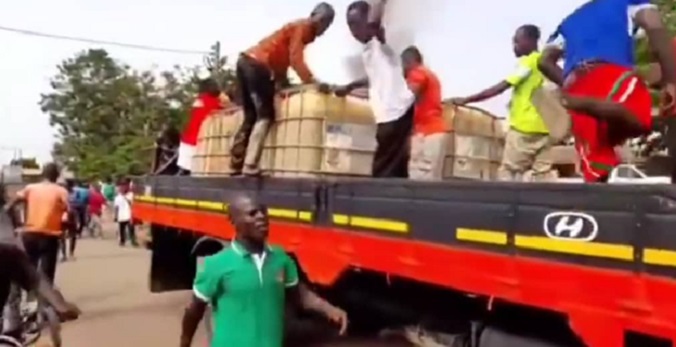
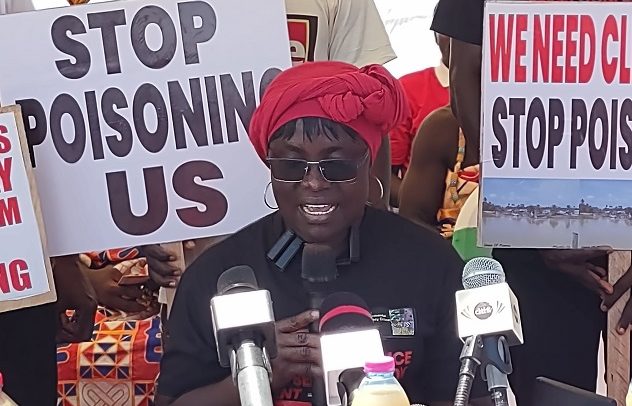
Illegal mining continues to ravage water-bodies, farmland and forest reserves, imposing long-term costs on agriculture, health and future productivity. The Ghana Water Company has repeatedly warned of rising treatment costs. Cocoa-growing areas face soil degradation. Communities downstream pay the price through polluted water and lost livelihoods. This is not an abstract environmental concern; it is a business and economic crisis with intergenerational consequences.
Yet the urgency we saw with fugu is rarely matched here. Taskforces are announced, withdrawn and reannounced. Enforcement waxes and wanes. Responsibility is diffused. One wonders: is galamsey simply not ‘viral’ enough?
The same question applies to transportation and healthcare. Our roads quietly erode productivity through congestion, accidents and logistics delays. Businesses absorb higher costs; workers lose hours daily. Meanwhile, health facilities remain sinfully under-resourced – short of beds, equipment and sometimes basic supplies. These are structural failures that affect labour quality, investor confidence and national competitiveness.
One cannot help but ask further: “Do we only unite when there is a common foe or teasing moment outside our borders, but struggle to summon the same resolve to confront problems within; problems that are quietly, persistently and in some cases literally killing us?”
Perhaps these issues lack the optics. They do not lend themselves easily to trending hashtags or colourful visuals. Or perhaps urgency is something we reserve for moments closer to elections, when long-standing problems are briefly rediscovered and then weaponised for petty political point-scoring.
The fugu moment was uplifting. It reminded us that shared identity still resonates and leaders can act in unison when they choose to. But it should also serve as a mirror. If visibility can drive speed, then leadership must learn to treat water pollution, broken transport systems and failing health infrastructure with the same seriousness even when they are not trending.
National pride should not stop at what we wear. It must extend to what we protect, build and fix – consistently, not seasonally. June is just around the corner, will the fugu be replaced with the Black Stars jersey and the same faux patriotism while we turn a blind eye to weightier matters?
The post Editorial: Fugu, not galamsey? appeared first on The Business & Financial Times.
Read Full Story










Facebook
Twitter
Pinterest
Instagram
Google+
YouTube
LinkedIn
RSS