


By Juliet ETEFE
Ghana has commenced implementation of a climate risk modelling programme aimed at strengthening the country’s disaster risk management systems and improving decision-making on climate-related challenges.
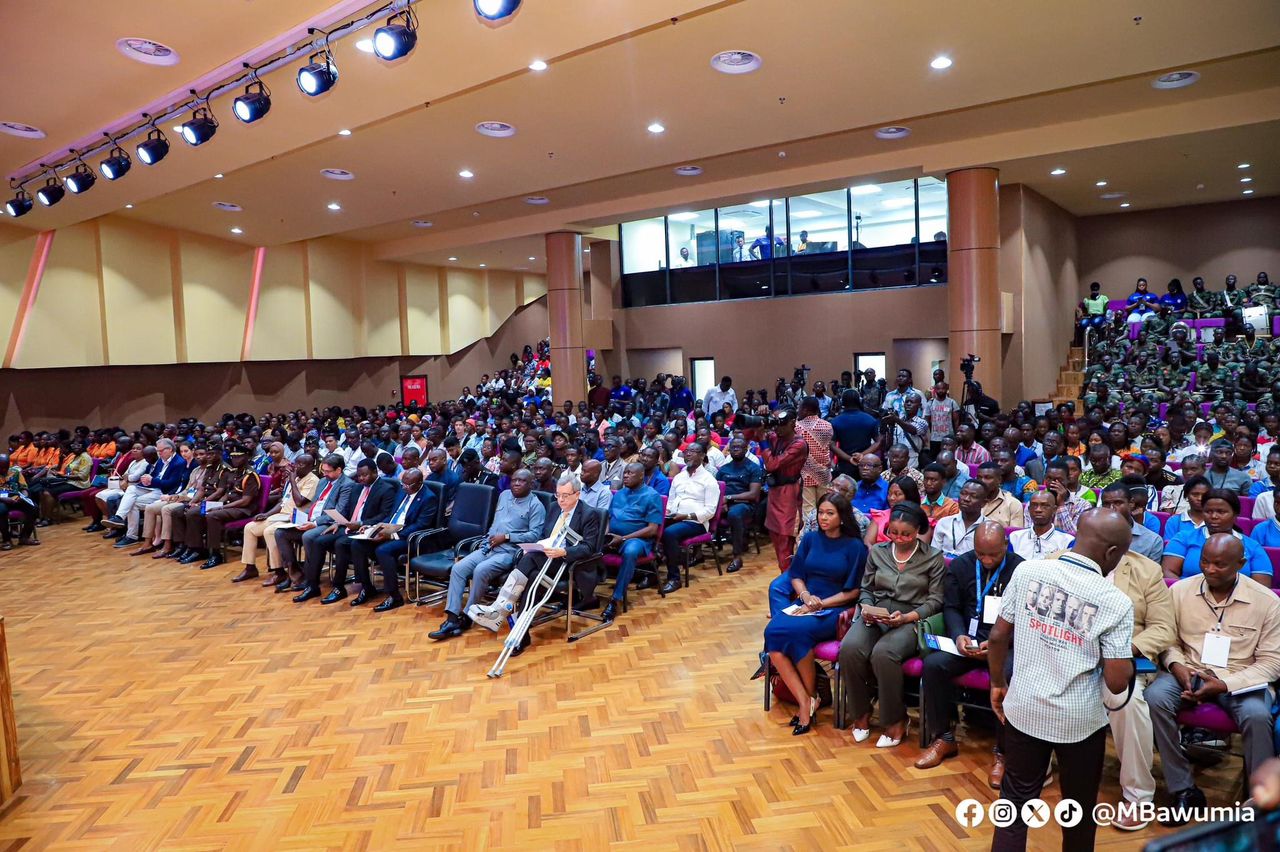
The initiative, under the Global Risk Modelling Alliance (GRMA), officially began with an inception workshop in Accra, bringing together representatives from government, development partners, the private sector and international technical organisations.
Speaking at the opening session, the Coordinating Director (Operations) at the Ministry of Finance, David Collison, said the 15-month project marks a significant step in Ghana’s efforts to build resilience against increasing climate risks.
He noted that the initiative will provide Ghanaian institutions with access to advanced risk modelling tools while strengthening national capacity in climate and disaster risk analytics.
Mr Collison said the project builds on a request made by the Ministry of Finance in March 2023 to enhance technical competency in climate risk assessment and disaster risk finance.
Three priority areas have been identified: the impact of drought and flooding on key agricultural crops in northern Ghana; the expansion of urban flood analytics for parametric insurance in cities including Kumasi, Tamale, Sekondi-Takoradi and Cape Coast; and the assessment of coastal flood risks in the Volta Delta.
According to a World Bank Climate Risk Country Profile on Ghana, rising temperatures, erratic rainfall, flooding and coastal erosion pose significant risks to livelihoods, infrastructure and economic growth, with vulnerable sectors such as agriculture and coastal communities particularly exposed.
Mr Collison stressed that data-driven approaches are essential for improving preparedness and guiding public and private sector investment decisions.
The GRMA programme is expected to develop enhanced risk models to support disaster risk reduction, climate adaptation planning and climate risk financing. It will also co-develop analytical tools to support long-term resilience planning and policy formulation.
The programme is being implemented by a consortium led by Marsh Limited, alongside JBA Global Resilience, the UK Centre for Ecology and Hydrology, ImageCat, the Humanitarian OpenStreetMap Team, Cranfield University and Ghana Reinsurance Company, working closely with the Ministry of Finance and other stakeholders.
The consortium will collaborate with government agencies and local stakeholders over the next 15 months, with a series of workshops and technical engagements to validate data, review workplans and guide implementation. A Technical Working Group will also be established to support coordination and ensure continuous stakeholder input.
Director and Head of Climate Resilience at Marsh, Callum Ellis, said the programme presents an opportunity to improve Ghana’s climate risk data systems while strengthening collaboration between international experts and local institutions.
He said the focus will be on producing practical, transparent and locally relevant datasets to support planning and investment decisions.
He added that the project will deliver targeted outputs, including urban flood risk datasets for selected cities, coastal flood risk assessments for the Volta Delta, and agricultural risk data covering flood, drought and pest risks in northern Ghana.
Co-Director of the GRMA programme, Nick Moody, said the initiative underscores the importance of using scientific data and modelling to support decision-making in climate and disaster risk management.
He noted that improved data is critical for protecting livelihoods, particularly in agriculture and urban areas exposed to climate shocks, adding that while Ghana has made progress in risk management, enhanced tools are needed to support financing mechanisms such as insurance and resilience investment.
The initiative is expected to support more informed policy decisions and strengthen Ghana’s long-term resilience to climate change.
The post Ghana begins climate risk modelling programme to strengthen resilience appeared first on The Business & Financial Times.
Read Full Story



-1200x801.jpg)











Facebook
Twitter
Pinterest
Instagram
Google+
YouTube
LinkedIn
RSS