


Last week, President John Dramani Mahama led the nation in thanksgiving to mark one year of his administration, citing achievements such as a stable cedi and single-digit inflation.
While The Chronicle recognises the value of macroeconomic stability, we find it disturbing that the President’s address avoided one of Ghana’s most lethal and neglected challenges: environmental pollution, particularly the dangerous air Ghanaians breathe.
At The Chronicle, we maintain that economic progress is hollow if citizens are quietly dying from preventable environmental causes.
Air pollution in Ghana has ceased to be a secondary issue. It is fuelled by open waste burning, dependence on wood and charcoal for cooking, uncontrolled vehicular emissions, slash-and-burn farming, industrial activity, and weak urban regulation. Despite its clear links to disease and premature death, air pollution remains largely absent from high-level political discourse.
The cost is measured in lives. GhanaWeb reported last year that air pollution has overtaken malaria, HIV/AIDS, and road accidents as a leading cause of death in Ghana. More than 30,000 deaths annually are associated with pollution-related illnesses, including asthma, lung cancer and cardiovascular disease. These deaths are avoidable, yet policy responses remain slow and fragmented.
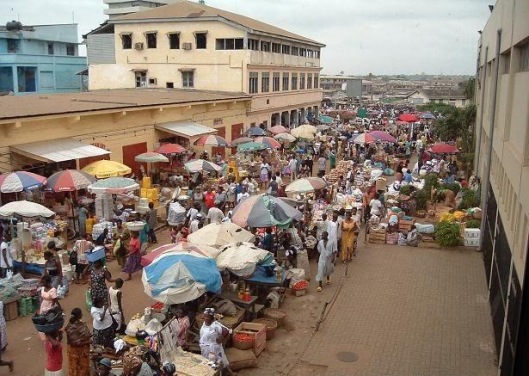
More troubling still is the inequality embedded in this crisis. In our investigation, “Accra’s Toxic Air Hits Poorer Families Hardest, Widening Health Gap,” The Chronicle documented how low-income communities bear the heaviest burden. In areas such as Agbogbloshie, traders inhale toxic fumes daily from burning waste, traffic emissions, engine heat and dust simply to survive.
Across Ghana’s overcrowded slums, smoke from dirty cooking fuels, black soot from congested roads and indiscriminate waste burning have made breathing a health hazard. Meanwhile, wealthier neighbourhoods enjoy regular waste collection, cleaner fuels and distance from heavy traffic. This environmental divide is not accidental – it reflects unequal protection under public policy.
According to the Clean Air Fund, Ghana is among only seven African countries with real-time air pollution monitors. Yet monitoring remains limited, public access to data is poor, and Ghana lacks a comprehensive national air quality policy with enforceable standards. This policy vacuum is dangerous, especially as Accra’s population is projected to reach 9.6 million by 2050, while debt distress continues to squeeze public investment.
Air pollution is only part of a broader environmental failure. The Environmental Protection Agency’s National Implementation Plan under the Stockholm Convention has confirmed the presence of PFAS – “forever chemicals” – in Ghana’s tap water. These substances, linked to cancer, thyroid disease and fertility disorders expose Ghanaians to long-term health risks that regulation has failed to prevent.
The Chronicle finds this unacceptable. If government can roll out “Mahamacare” to finance treatment for chronic diseases, why is it unable to invest in nationwide air quality monitoring and prevention? Is the Presidency fully aware of the human cost of environmental neglect, or has environmental health been pushed to the margins of governance?
With the EPA now operating as an Authority, public expectations must rise. Beyond illegal mining, Ghana’s air pollution crisis demands urgent, coordinated action involving the Ministries of Health, Environment, Energy, Sanitation and Local Government. Prevention is cheaper than treatment and far more humane.
The Chronicle calls on President Mahama to lead a national crusade against air pollution. Clean air is not a luxury; it is a fundamental right. Until this silent killer is confronted head-on, claims of economic stability will remain dangerously incomplete.
For more news, join The Chronicle Newspaper channel on WhatsApp: https://whatsapp.com/channel/0029VbBSs55E50UqNPvSOm2z
The post Economic Stability In Poisoned Air Is A Hollow Victory appeared first on The Ghanaian Chronicle.
Read Full Story



Facebook
Twitter
Pinterest
Instagram
Google+
YouTube
LinkedIn
RSS