


A growing number of Ghanaians are throwing up their hands in frustration over worsening public transport, with some asking whether commuting in the country has become a crime.
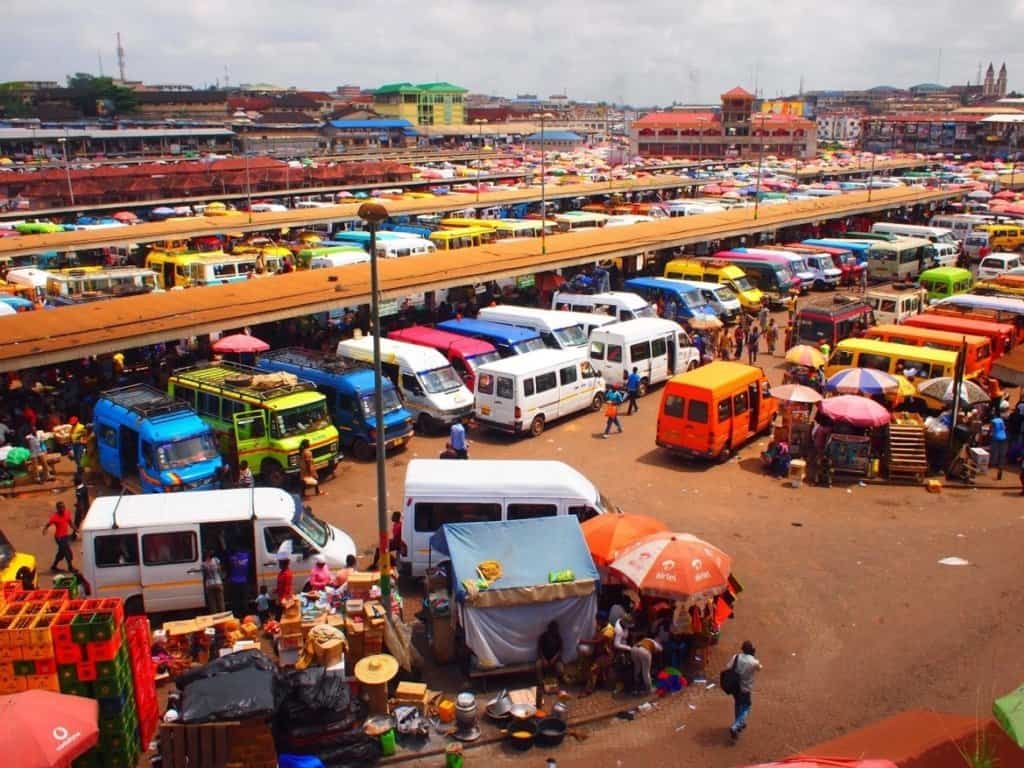
Across major cities, passengers report that trotro drivers charge inflated fares, deliberately split journeys into two or three segments to maximize earnings, and operate largely unchecked—even under the watch of authorities. The result is daily chaos on roads that already struggle with congestion, unreliable services, and unsafe travel conditions.
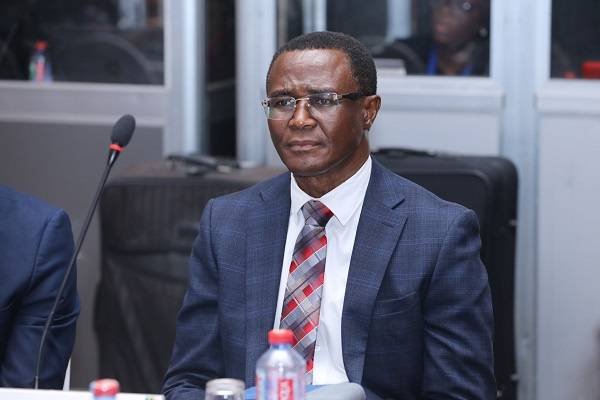
Speaking on the Citi Breakfast Show with Bernard Avle, David Ofosu-Dorte, a Fellow of the Chartered Institute of Logistics and Transport and Executive Chairman of AB & David Law, warned that Ghana’s transport crisis is deep-rooted and systemic. “This is a very, very complex problem,” he said. “It is not new. We have tended to politicise it over decades, which has prevented sustainable solutions.”
Ofosu-Dorte traced the origins of the crisis to 1974, when the then-military government sought to regulate urban transport through the Omnibus Licensing Authority.
While the bus services arm, later known as Metro Bus, was implemented, the regulatory arm—tasked with licensing routes and managing operations—was never fully executed.
Subsequent administrations attempted interventions, such as City Express and later Ayarlolo (GAPTE), but structural inefficiencies and political fragmentation continued to plague the system.
The Power of Unions and the Cartel Effect
Central to the ongoing chaos, Ofosu-Dorte explained, is the unchecked power of transport unions, particularly the Ghana Private Road Transport Union (GPRTU). “At some point, we handed over control of all terminals to the unions,” he said. “Whoever controls the terminals controls who can load, who can alight, and ultimately the quality of service. This creates a cartel.”
By monopolizing terminals and dictating operations, unions have unintentionally forced operators into a full-load system, where buses and trotros cannot depart until fully occupied.
While profitable for operators, this system makes travel unpredictable, forces fare inflation, and encourages drivers to divide trips unnecessarily, inconveniencing commuters.
Other unions, such as PROTOA, Progressive Transport Union, and GRHA, face similar challenges. Even when government attempts regulatory reforms, political considerations often stall enforcement, particularly during election periods when union influence is at its peak.
Commuter Impact: Chaos on the Road
The consequences of the system’s failure are visible everywhere. Commuters face longer travel times, higher fares, and unsafe, overcrowded vehicles. In Accra, the average vehicle occupancy is about 1.8 people per car, whereas the same road space could transport 15–16 people using larger, more efficient buses. Congestion worsens when private cars compete for space because the public system cannot reliably move people.
“Every minute lost in traffic is lost productivity,” Ofosu-Dorte noted. “Whether you drive or use a trotro, the ineffective system costs Ghana as a nation in time, energy, and economic output.”
Why Previous Reforms Failed
Historical attempts to fix the system—City Express, GAPTE, Ayarlolo—succeeded only partially because they ignored the root causes: uncoordinated route licensing, union control, and lack of dedicated infrastructure. Inadequate urban planning, uncontrolled settlements, and inconsistent district boundaries further undermined previous reforms. For example, the Kasoa corridor faces worse congestion than even Amasaman due to chaotic city expansion and lack of dedicated lanes.
Dedicated lanes and high-capacity buses, Ofosu-Dorte stressed, are not magic bullets. “You cannot solve this problem at once. Pilot corridors are essential. Fix one route, resolve all operational issues there, then expand. This is how Lagos, Curitiba, and other cities succeeded.”
The Way Forward: Structural Reform
The expert emphasized that meaningful reform of Ghana’s transport system requires a coordinated, multi-pronged approach. Terminal and route control must be reclaimed from unions, but this should be done through fair consultation and equitable revenue-sharing with operators. Clear route licensing is essential to enable operators to plan reliable schedules and maintain consistent service standards.
Pilot corridors featuring dedicated lanes and high-capacity buses should be introduced to reduce congestion and improve efficiency, while fleets must be modernized through a combination of government support and private investment, prioritizing larger, more efficient vehicles. Finally, urban planning must be aligned with transport needs, ensuring that roads, transit stops, and parking facilities are designed to accommodate a growing population and evolving commuting patterns.
A Call for Political Will
While technical solutions exist, Ofosu-Dorte emphasized that political commitment is critical. Past reforms often stalled because authorities failed to enforce regulations against powerful unions or to plan beyond election cycles. Without strong leadership, commuter frustrations, fare exploitation, and traffic chaos will continue.
Ghana’s transport system is not beyond repair—but to move forward, the country must tackle the unions’ power, plan routes effectively, and invest in infrastructure. Only then can commuters expect predictable, safe, and affordable travel across cities, ending a decades-long cycle of frustration.
For more news, join The Chronicle Newspaper channel on WhatsApp: https://whatsapp.com/channel/0029VbBSs55E50UqNPvSOm2z
The post Ghana’s Transport Crisis Demands Structural Reform, Not Stopgap Measures – Expert appeared first on The Ghanaian Chronicle.
Read Full Story






Facebook
Twitter
Pinterest
Instagram
Google+
YouTube
LinkedIn
RSS