


The war in the Middle East is casting a long shadow over the global economy, and the International Monetary Fund is not mincing words about it.In its latest financial stability assessment, the Fund warns that while global markets have so far absorbed the shock of the conflict without breaking down, the apparent calm masks vulnerabilities that could rapidly unravel if the war escalates or drags on.
For businesses, investors, and governments — including those in emerging economies like Ghana — the implications are significant and immediate.Global financial markets entered 2026 on confident footing. Asset prices were rising, volatility was low, and credit was flowing freely.
That benign environment has since been disrupted by the outbreak of hostilities in the Middle East, which has pushed energy prices higher, stoked inflation, and forced a broad reassessment of risk across global markets. Equity prices have fallen, bond yields have climbed, and borrowing costs have risen. Yet the adjustment, the IMF notes, has so far been orderly — without the acute liquidity crises or institutional failures that have characterised past episodes of global financial stress.
The Fund is careful, however, not to let that orderliness breed complacency. The relative calm, it argues, reflects the absence of a decisive adverse turn rather than the absence of danger. Markets, it warns pointedly, have not fully priced in the more damaging scenarios that remain plausible.
Energy, Inflation and the Central Bank Dilemma
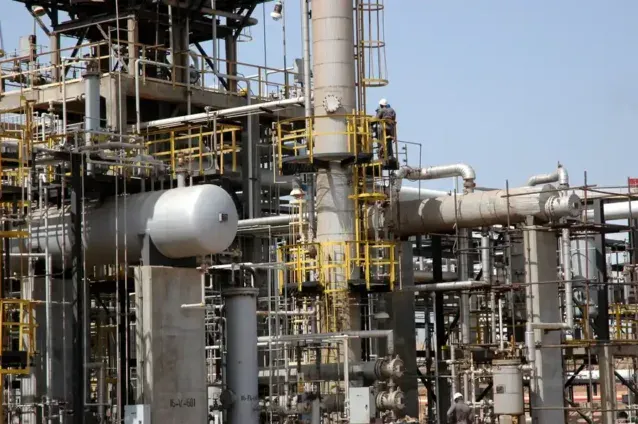
The most direct channel through which the conflict has struck the global economy is energy prices. Higher oil and gas costs have pushed inflation expectations upward across both advanced and developing economies, raising bond yields and tightening financial conditions. For import-dependent economies — the majority of African nations among them — the consequences feed quickly into transport costs, production costs, and ultimately, consumer prices.
This inflationary pressure has cornered the world’s central banks. Rising prices demand that interest rates remain high. Yet a prolonged war damages growth and employment — conditions that would ordinarily call for easing. The IMF urges central banks to hold firm on price stability, communicate clearly, and act decisively when required. Any loss of credibility, it cautions, would make inflation far costlier to bring back under control.
Debt, Emerging Markets and Hidden Vulnerabilities
The conflict has also sharpened concerns about public debt. Many advanced economies entered this period carrying heavy debt loads and thin fiscal buffers, leaving governments with limited capacity to absorb a serious deterioration in conditions. A structural shift in who holds sovereign debt — increasingly price-sensitive private investors rather than steady central bank holders — means borrowing costs could spike sharply in response to inflation surprises.
Emerging markets face sharper exposure still. Capital flows that chase higher yields are quick to reverse when global sentiment sours, weakening currencies, raising import costs, and tightening domestic credit. Countries with large external financing needs are the most vulnerable. For Ghana and peers navigating their own fiscal consolidation, a sustained global deterioration would arrive at a particularly testing moment.
Beyond these visible pressures, the IMF flags a set of risks not yet reflected in market prices. The non-bank financial sector — hedge funds, private equity, and direct lenders — has grown rapidly and now plays a central role in global credit markets. Yet it carries significant hidden risks: high leverage, opaque valuations, and a mismatch between short-term funding and longer-term assets. Rising defaults are already registering. Should a sudden shock trigger forced asset sales and margin calls, these amplification mechanisms could turn a manageable correction into something far more severe.
The Bottom Line
The IMF stops short of predicting a crisis. What it does say, firmly, is that the conditions for one are more present than markets currently reflect. Higher energy costs, strained government finances, vulnerable emerging markets, and a leveraged non-bank sector carrying hidden risks all represent live pressure points in an environment where the next escalation could arrive without warning.
Its message to policymakers — and to every business and investor watching — is direct: do not mistake today’s orderly markets for a permanent condition. Financial stability, the Fund concludes, cannot be taken for granted. It must be actively and deliberately protected.
Source: International Monetary Fund Global Financial Stability Assessment, 2026
For more news, join The Chronicle Newspaper channel on WhatsApp: https://whatsapp.com/channel/0029VbBSs55E50UqNPvSOm2z
The post Middle East War Threatens Global Economy as IMF Raises Alarm appeared first on The Ghanaian Chronicle.
Read Full Story










Facebook
Twitter
Pinterest
Instagram
Google+
YouTube
LinkedIn
RSS