


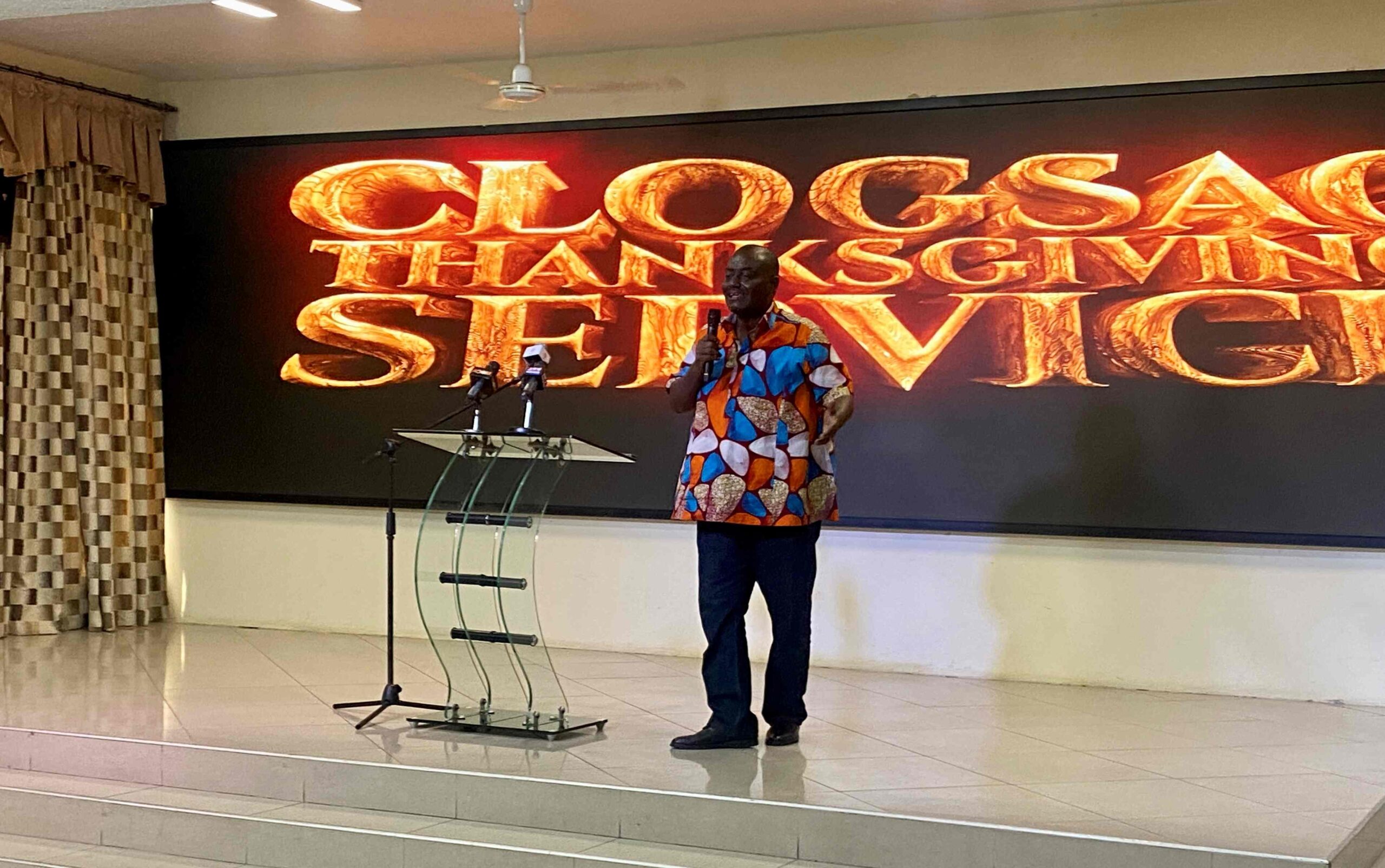
The Executive Director of Africa Education Watch (Africa Eduwatch) , Kofi Asare, has raised serious concerns about the persistent shortage of textbooks in Ghana’s basic schools, six years after the introduction of a new curriculum. Speaking at the 2026 First Quarter Education Policy Monitoring Activity, he revealed that textbook availability remains critically low, with only 35% coverage in well-endowed districts and about 40% in deprived areas as of March 2025.
Data from February 2026 further showed uneven distribution, particularly affecting Junior High Schools. While districts like Nabdam and Adentan received some textbooks, others such as La-Nkwantanang-Madina and Ga West recorded no deliveries at all. This disparity, according to the Executive Director of Africa Eduwatch, exposes systemic inefficiencies in the supply chain and deepens inequalities in the education sector.
He also questioned the accountability surrounding the government’s 2025 allocation of GHS 596 million for curriculum-based textbooks, which was expected to produce about 20 million copies. Despite this significant investment, many schools remain without essential learning materials. Mr Asare has, therefore, called for transparency in procurement processes and the adoption of a fair, enrolment-based distribution model to ensure equitable access and improved learning outcomes nationwide.
The disturbing revelations by Africa Eduwatch on the persistent shortage of textbooks in Ghana’s basic schools expose a deep and troubling failure within the country’s education system. Six years after the introduction of a new curriculum, pupils across the nation are still struggling to access the most basic learning materials. This is not only unacceptable, it is indefensible.
The Chronicle views this situation as a serious national concern that strikes at the heart of quality education. Textbooks are not a luxury; they are essential tools for teaching and learning. Without them, pupils are forced to rely solely on verbal instruction, limiting their ability to study independently, revise effectively, and fully grasp subject content. For children preparing for examinations, this disadvantage can have lasting consequences on their academic and professional futures.
Six years is an unreasonably long time for such a fundamental issue to persist. The continued lack of textbooks, despite the rollout of a new curriculum, suggests not just delays but systemic inefficiencies and possible mismanagement. Even more worrying is the uneven distribution, where some districts receive limited supplies, while others receive none at all. This deepens inequality and undermines the principle of equal opportunity in education.
The Chronicle is particularly concerned about the glaring disconnect between financial allocations and actual outcomes. With a reported GHS 596 million budgeted in 2025 for the procurement of textbooks, enough to supply millions of copies, it is baffling that schools remain deprived.
The Chronicle demands transparency and accountability in the procurement and distribution processes. Ghanaians deserve to know how these funds have been utilised and why the intended benefits have not reached the classrooms.
Globally, standards promoted by UNESCO under the United Nations education frameworks emphasises a 1:1 pupil-to-textbook ratio in core subjects. Ghana’s inability to meet this benchmark places its pupils at a significant disadvantage and calls into question the effectiveness of policy implementation in the education sector.
The Chronicle believes urgent action is required. Authorities must immediately conduct a comprehensive audit of textbook procurement and distribution systems, eliminate bottlenecks and adopt a transparent, enrolment-based allocation model. Anything short of this would amount to a continued betrayal of the nation’s children.
The future of Ghana depends on the quality of education we provide today. Denying pupils access to textbooks is, in effect, denying them a fair chance at success. The Chronicle insists that this matter be treated with the urgency and seriousness it deserves.
The post Editorial: Govervnment Must Tackle Disturbing Revelations Of Textbook Shortages In Schools appeared first on The Ghanaian Chronicle.
Read Full Story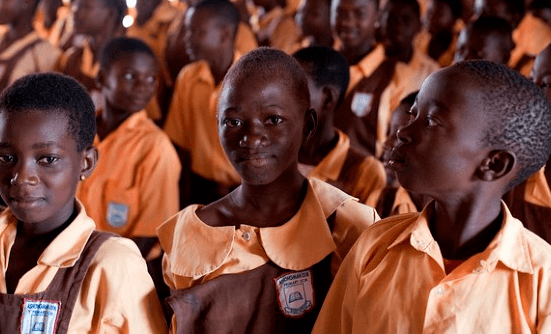



-1200x1022.jpg)




Facebook
Twitter
Pinterest
Instagram
Google+
YouTube
LinkedIn
RSS