


By Ernest Bako WUBONTO
The 2025 Africa Cup of Nations (AFCON) in Morocco has concluded as a historic spectacle, shattering long-standing records and delivering a masterclass in attacking football.
As with all AFCON tournaments, the 2025 edition created its own indelible memories while echoing the historic drama the competition is famous for. Beyond the pitch, the tournament was filled with unique stories – from the viral image of Tunisia’s players shielding their mascots from the rain with their jackets to a dedicated fan of DR Congo who is always seen standing like a statue throughout the 90 minutes of action.
Other historic highlights included Sudan reaching the knock-out stages for the first time since 2012, providing a rare moment of joy for a nation in turmoil.
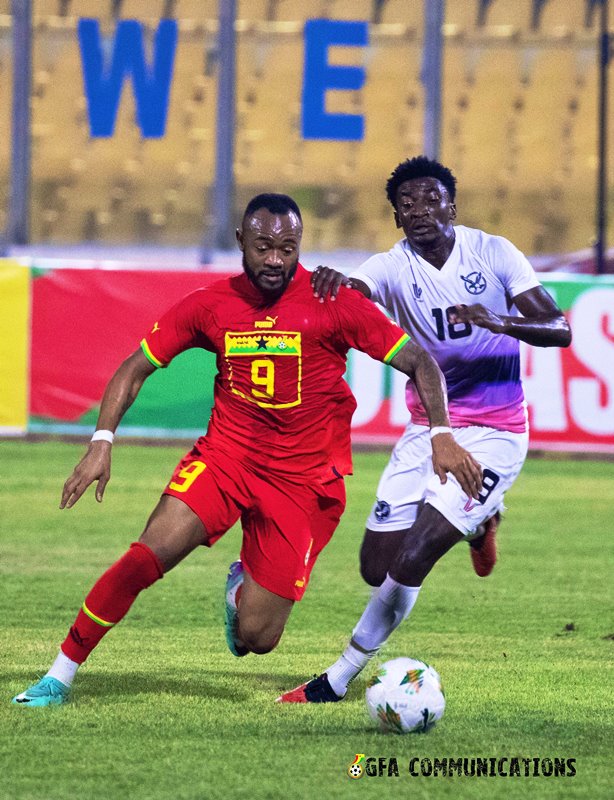
Additionally, the Fan zone musical concerts that featured Ghana’s top musician Stonebwoy – who ensured Ghana’s representation despite the absence of the Black Stars at the tournament, among others, thrilled almost every individual on the continent.
These moments of sportsmanship, passion and cultural celebration are the lifeblood of AFCON, a tournament where football consistently serves as a powerful narrative for resilience, unity and the enduring spirit of a continent.
The attacking record
This edition officially became the highest-scoring tournament in the history of the competition, producing 121 goals in total, a figure that comfortably eclipsed the previous record of 102 goals set during the 2019 edition in Egypt.
The surge in offensive output was evident from the early stages, with the group stage alone accounting for 87 goals, setting a relentless pace for a tournament that prioritised creative play and tactical ambition.
At the heart of this scoring frenzy was Morocco’s talisman, Brahim Díaz, who claimed the Golden Boot award as the tournament’s goal king.
Díaz finished the competition with five goals, maintaining a razor-sharp consistency through the knockout rounds to fend off stiff competition from Nigeria’s Victor Osimhen and Egypt’s Mohamed Salah, who both finished with four goals.
Defensive Statistics
The defensive statistics told a story of complete contrasts to the attacking delivery. Senegal, Morocco and Egypt displayed remarkable resilience early on, with each conceding only one goal during their respective group stage campaigns to rank as the tournament’s best defensive units.
Nigeria emerged as the tournament’s most prolific attack, netting 14 goals, while Botswana struggled significantly, conceding the most goals in the competition and failing to record a single point.
Discipline was a notable theme, with officials showing 207 total cards, eight of them being red cards – an indication of a highly competitive and physical tournament.
The competition saw a total of seven red cards issued during the opening round alone, with teams like Mali gaining an unfavourable reputation as the least disciplined side after picking up ten yellow cards and one red card early in their journey.
Throughout the entire tournament, the distribution of cards was widespread, touching nearly every heavyweight nation, including Senegal, Egypt and Sudan, as tactical fouls became a necessary evil in the face of the record-breaking attacking waves.
With a record of conceding only one goal throughout the entire tournament, Morocco’s defensive solidity was the foundation of their campaign.
The journey to the finals

The journey to the final in Rabat was a testament to the grit of two of Africa’s current footballing giants.
The hosts, Morocco, steamrolled through the knock-out stages without conceding a goal from open play, fuelled by a passionate home crowd and the tactical discipline of Walid Regragui.
Their path included convincing victories over Comoros and Zambia, followed by a clinical quarter-final win against Cameroon.
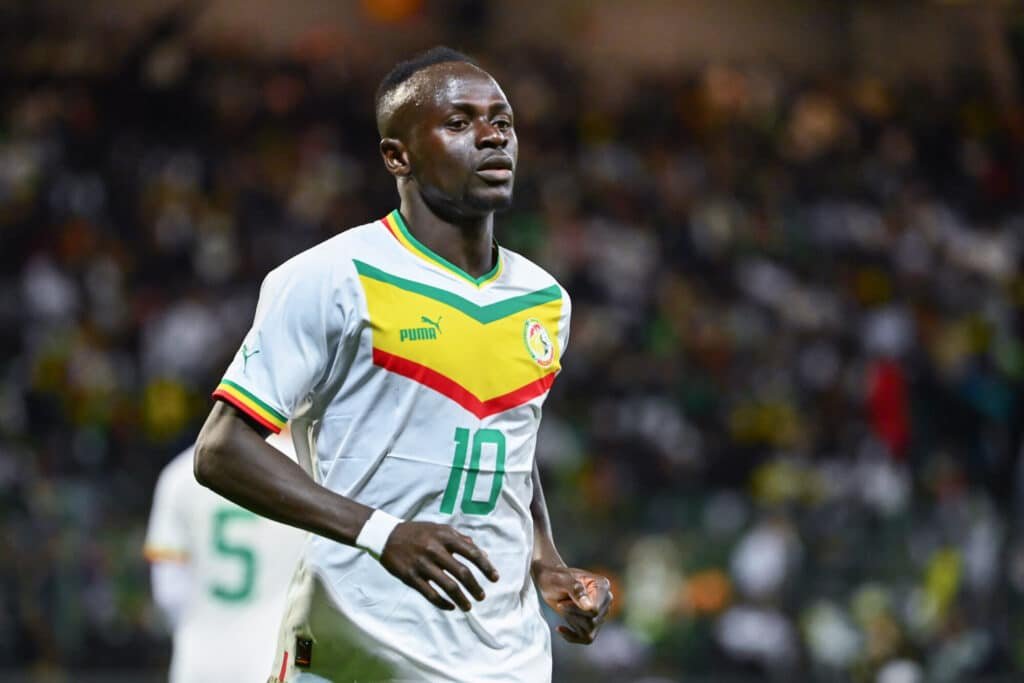
Senegal, the 2021 champions, navigated an equally gruelling path, relying on the veteran leadership of Sadio Mané. The Teranga Lions secured their spot in the final after a hard-fought semi-final victory over Egypt, proving their championship pedigree by thriving under immense pressure.
The final game
In a final of almost unbearable tension and unprecedented controversy, the Teranga Lions of Senegal defeated the host nation, Morocco, 1-0 after extra time to lift the 2025 Africa Cup of Nations trophy for the second time in four years.
In a dramatic conclusion to regulation time, Morocco was awarded a controversial penalty in the 94th minute, which led to a 20-minute standoff as Senegal players briefly walked off the pitch in protest.
In a stunning twist of fate, the tournament’s top scorer, Brahim Díaz, missed the subsequent “Panenka” attempt, saved by Edouard Mendy, sending the game into extra time.
It was there that Pape Gueye struck a decisive left-footed blow in the 94th minute of extra time to secure a 1-0 victory for Senegal.
Wins in extra-time
Senegal becomes the third nation to win the AFCON final after extra time, following Ethiopia vs Egypt in 1962 and Ghana vs Tunisia in 1965.
All four defeats by host nations in AFCON grand finale history have gone to extra time: Morocco vs Senegal in 2025, Nigeria vs Cameroon in 2000, Libya vs Ghana in 1982, and Tunisia vs Ghana in 1965.
Individual awards
Senegal’s veteran Sadio Mané was named the tournament’s best player after providing the resilience needed to navigate a challenging knock-out stage and showing leadership in the final.
Moroccan goalkeeper Yassine Bounou was instrumental in getting his team to the final, conceding only one goal throughout the tournament and was named the tournament’s best goalkeeper.
Morocco’s Brahim Díaz, even though he failed to net that crucial penalty kick that could have crowned his team champions, earned the Golden Boot with five goals.
African coaches
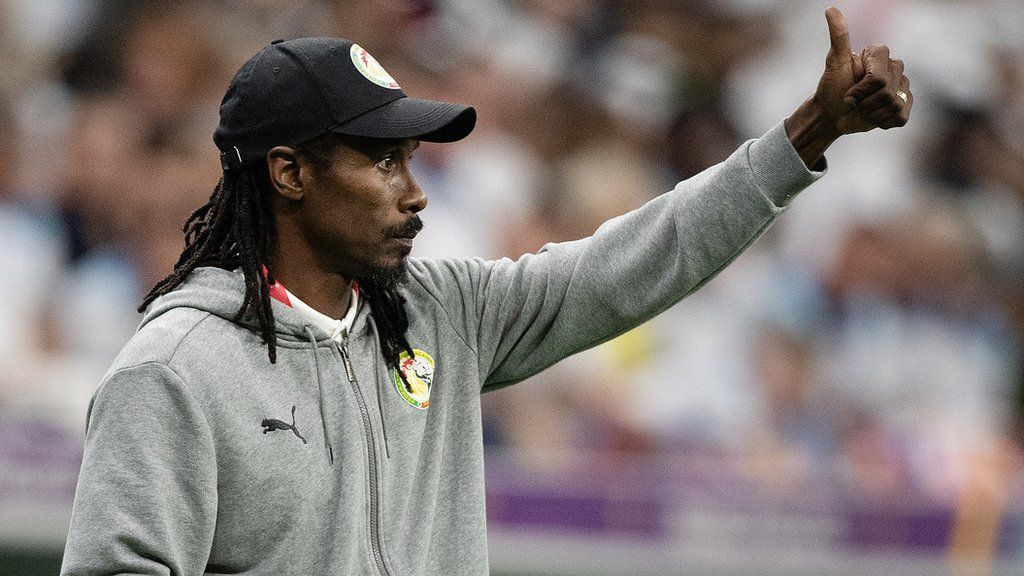
Senegal’s head coach, Papa Thiaw, joins the long list of African coaches who have won the AFCON trophy, but the most significant twist is that he has made it the fourth consecutive African coach after Djamel Belmadi of Algeria in 2019, Aliou Cisse with Senegal in 2021 and Emerse Fae of the Ivory Coast in 2023.
The post AFCON 2025 produces historic spectacle: With Senegal clinching a 2nd title appeared first on The Business & Financial Times.
Read Full Story


Facebook
Twitter
Pinterest
Instagram
Google+
YouTube
LinkedIn
RSS