


By Prof. Samuel Lartey
Desire is the spark that ignites action, but when combined with deliberate planning and persistent effort, it becomes a powerful engine for transformation. In Ghana’s journey toward economic recovery, desire must be more than aspiration; it must guide policy, inspire innovation, and drive measurable results. This blueprint explores how government, public sector stakeholders, entrepreneurs, business owners, and individuals can channel focused desire into strategic actions that foster sustainable growth, strengthen institutions, and create opportunities for prosperity across the nation.
Desire without structure remains aspiration. Desire coupled with a deliberate scheme to achieve that purpose becomes powerful action. In Ghana’s evolving economic recovery regime, desire must be more than motivational rhetoric; it must be a strategic compass that guides policy, fuels innovation, and bolsters resilience. For the Government of Ghana, public sector stakeholders, business owners, entrepreneurs, and individuals, turning desire into well-planned action can determine the difference between stagnation and sustainable prosperity.
This feature article examines how focused desire, executed through measurable strategies and persistent effort, can catalyse Ghana’s economic progress. It anchors its analysis in recent economic data, policy outcomes, and practical examples relevant to economic actors nationwide.
Solid Gains and Hard Data
Ghana’s economy has shown clear signs of stabilisation and recovery following the economic challenges of 2022 and 2023. These challenges included high inflation, debt distress, and currency volatility. Over the last two years, the nation has pursued a series of fiscal and structural reforms supported by international partners, which are now yielding measurable results.
Key Economic Indicators (2024–2025)
| Indicator | 2024 | 2025 Most Recent | Implication |
| Real GDP Growth | 5.7?percent in 2024 | 5.5?percent in Q3 2025 | Growth driven by agriculture and services reflects broad based recovery. (worldbank.org) |
| Inflation Headline | Above 20?percent | Single digit | Inflation has been brought under control for the first time since 2021. (mofep.gov.gh) |
| Primary Fiscal Balance | Deficit | Surplus up to 11.1?percent of GDP mid year | Fiscal discipline strengthens macroeconomic credibility. (graphic.com.gh) |
| Treasury Bill Rates | Over 30?percent | Around 11?percent | Cost of borrowing lowered significantly, enhancing investment potential. (mofep.gov.gh) |
| Agriculture Growth | Modest | 6?percent in the first half of 2025 | Agriculture-led recovery, boosting food security and exports. (graphic.com.gh) |
These indicators demonstrate strides toward stabilisation and growth, validating that deliberate policy choices and disciplined execution of reform goals are producing results.
Vision Made Tangible
For Ghana’s government, desire must translate into policy action and enforceable programmes. Strategic clarity and political will have enabled the nation to meet performance goals under international financial arrangements while protecting vulnerable populations.
Fiscal Discipline and Reform
Ghana’s completion of multiple reviews under an Extended Credit Facility with the International Monetary Fund has unlocked significant financial resources. As of December 2025, total disbursements under this programme amounted to approximately US$2.8?billion, underpinning liquidity, confidence, and economic planning. (imf.org)
Additionally, fiscal manoeuvres that led to a primary surplus of up to 11.1?percent of GDP by mid 2025 have reinforced credibility with markets and international partners. (graphic.com.gh)
Inflation and Interest Rates
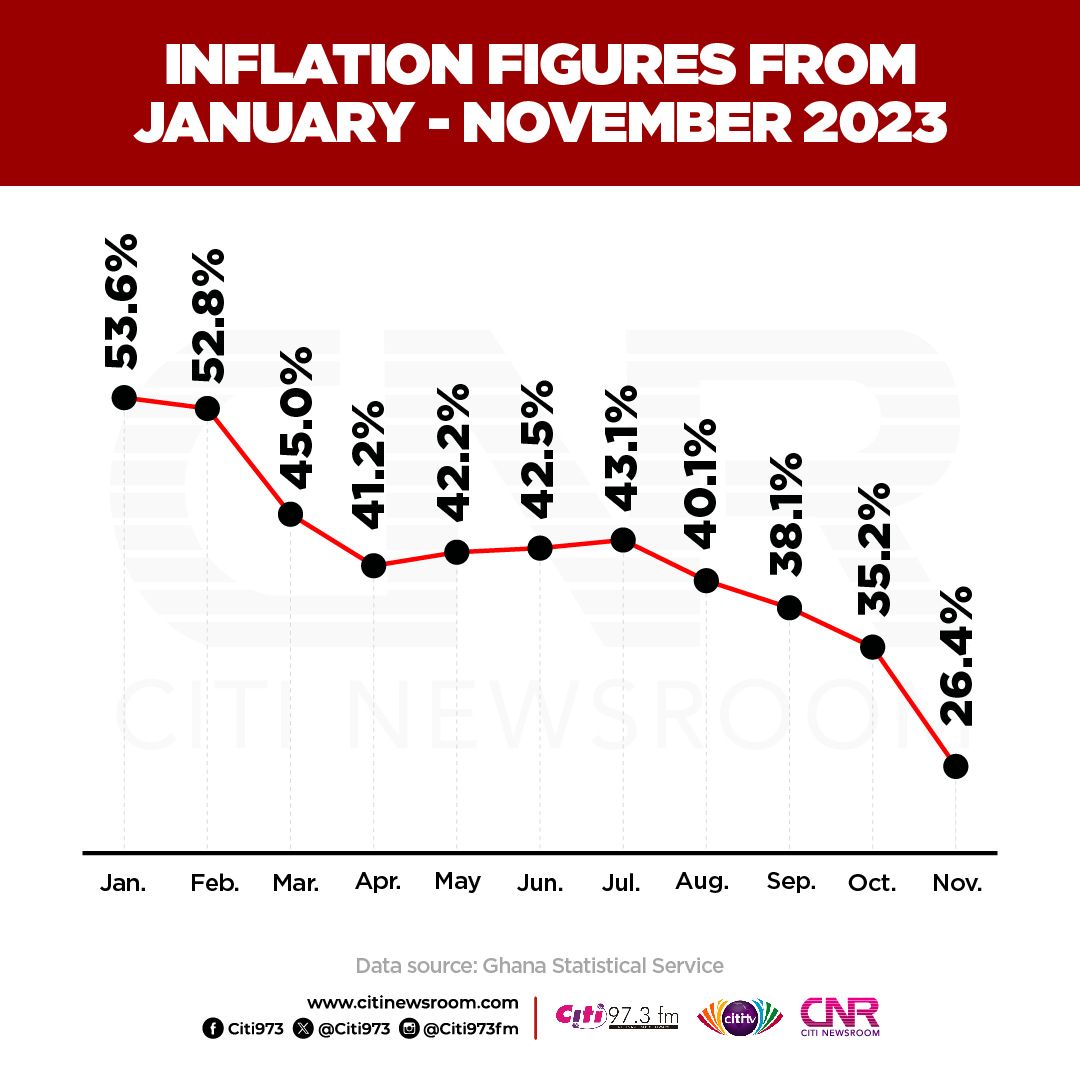
From historical highs above 50?percent in 2022, Ghana’s inflation has fallen into single digits by late 2025, significantly improving consumer purchasing power and price stability. (mofep.gov.gh) The Bank of Ghana’s monetary policy adjustments, including calibrated interest rate management, have helped anchor inflation expectations.
Institutionalising Persistence
In public service, desire must be backed by institutional capacity, accountability, and processes that guarantee continuity regardless of political cycles.
Strengthening Service Delivery and Governance
- Routine Data-Driven Decision Making: Ministries and agencies should institutionalise systems that track performance indicators and adjust policies in real time.
- Public Financial Management Reform: Modernising systems for budgeting, auditing, and procurement ensures that resources align with strategic priorities and that corruption or waste is minimised.
Local Government Empowerment
Local authorities, when equipped with resources and autonomy, can address community-specific challenges and opportunities, turning citizen aspirations into locally led projects.
Structured Desire Fuels Innovation
For the private sector, desire must be clear, measurable, and connected to viable market opportunities. Economic renewal presents businesses with avenues for innovation, expansion, and partnerships.
Agriculture and Agro Processing
Ghana’s agricultural recovery, with 6% growth in the first half of 2025, highlights a sector rich in opportunity. (graphic.com.gh) Entrepreneurs can seize value-added opportunities in cocoa processing, horticultural exports, and mechanisation services, building resilience and diversifying export baskets.
Digital Economy and Services
Growth in services, including trade, ICT, and finance, contributes meaningfully to GDP expansion and job creation. Technology startups and digitisation initiatives can leverage this trend to introduce scalable solutions in fintech, health tech, and education services.
Manufacturing and Import Substitution
Developing local capacity to produce goods previously imported can foster employment, retain foreign exchange, and strengthen domestic supply chains.
Personal Desire Meets National Purpose
Individuals shape national progress when their personal goals align with broader economic needs. This alignment catalyses both individual fulfilment and collective advancement.
Skill Development
Ghana’s economy needs skilled professionals in digital technologies, agribusiness, manufacturing, and services. Individuals investing in education, technical training, and lifelong learning enhance their employability and contribute to national competitiveness.
Micro Enterprise Growth
Formalising small enterprises improves access to finance, legal protection, and market opportunities. Micro entrepreneurs combining passion with structured business plans can scale operations more sustainably.
Community Networks
Cooperatives and professional associations amplify individual capacities through shared resources, joint ventures, and collective bargaining power.
The Engine of Sustainable Progress
Persistence, the continuous application of effort despite challenges, is vital for turning aspiration into achievement. Ghana’s recovery journey exemplifies this quality. Fiscal reforms were deep, often difficult to enact, and required adherence to agreements with international stakeholders. Yet persistence in policy implementation has reinforced economic fundamentals and created momentum.
Economic actors across sectors must embrace persistence as a discipline. Governments must uphold reforms. Businesses must adapt and innovate. Individuals must pursue continuous improvement and learning.
Conclusion
Ghana’s experience illustrates that desire, when purposefully structured and relentlessly pursued, becomes progress. The nation’s recent economic data reflects not only statistical improvement but the results of deliberate design, sustained effort, and united action.
Transformation requires courage to define clear goals, discipline to pursue them amidst adversity, and persistence to see them through. Ghana’s government, public sector stakeholders, business owners, entrepreneurs, and individuals are all actors in this narrative of renewal. When personal and national desires align with deliberate strategies and disciplined execution, economic success and societal well-being become achievable realities.
Ghana’s path forward is not merely about recovering lost ground. It is about reimagining and realising a future where aspiration meets measurable achievement. Desire is the catalyst that transforms vision into reality, creating a future where aspiration is guided by purpose and realised through measurable achievement.
The post Desire that delivers: The blueprint for economic renewal appeared first on The Business & Financial Times.
Read Full Story



Facebook
Twitter
Pinterest
Instagram
Google+
YouTube
LinkedIn
RSS