


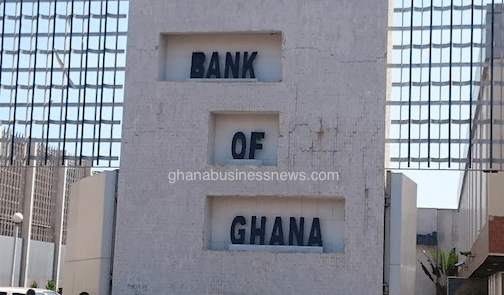
The Governor of the Bank of Ghana has highlighted the strategic reserve management decisions that have strengthened Ghana’s external buffers, including the diversification of a portion of the country’s gold holdings.
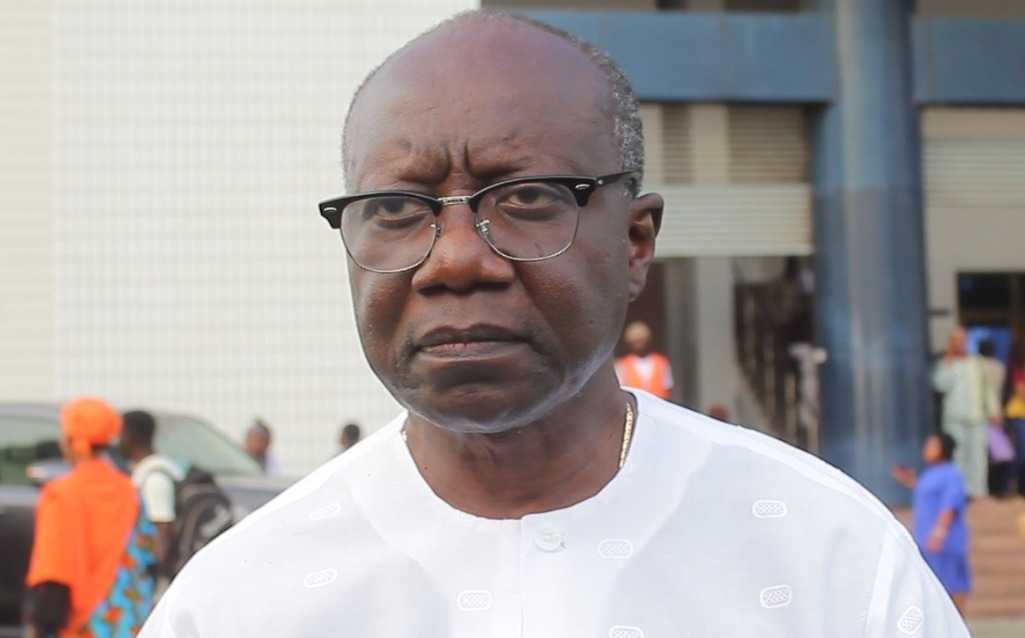
Addressing the Parliamentary Committee on Economy and Development, Dr. Johnson Pandit Asiama emphasised that Ghana’s gold remains fully part of the country’s national reserves and that the action involved adjusting the composition of reserves rather than reducing them.
“Ghana’s gold reserves remain part of our national reserves; what changed was the composition of those reserves” the Governor told Members of Parliament.
He explained that the Domestic Gold Purchase Programme significantly strengthened Ghana’s gold position in recent years. Prior to the programme, the Bank held about 8.7 tonnes of gold, but sustained purchases increased total holdings to over 40 tonnes by October 2025.
However, global market developments also changed the structure of Ghana’s reserve portfolio.
Between January and October 2025 alone, global gold prices rose by approximately 62 percent, sharply increasing the value of the Bank’s gold holdings. As a result of both increased accumulation and rising prices, gold came to represent about 42 percent of Ghana’s Gross International Reserves, creating a high concentration in a single asset class.
It is also important to recognize that as one of the world’s leading gold producers, Ghana’s broader economy is already significantly exposed to gold price movements. This makes maintaining a diversified reserve portfolio even more important for overall economic stability.
While gold remains an important reserve asset, the Governor explained that such a high concentration in a single asset class creates portfolio concentration risk.
At the time the rebalancing decision was taken, gold prices had already risen sharply and were trading at historically elevated levels.
However, Dr. Asiama emphasized that central banks do not manage reserve portfolios based on short-term price forecasts.
“Central banks do not manage reserve portfolios based on short-term price forecasts. Reserve management focuses on maintaining an appropriate balance between liquidity, safety and diversification,” he said.
He noted that international reserve management practices emphasise diversification. Data from the World Gold Council, as well as reserve management frameworks referenced by institutions such as the International Monetary Fund, indicate that most countries maintain a lower share of reserves in gold as part of a balanced portfolio.
Dr. Asiama further explained that reserve management must reflect the specific needs of an economy such as Ghana’s.
“Unlike advanced economies whose currencies serve as global reserve assets and whose financial markets are deep and highly liquid, countries like Ghana rely more directly on their international reserves to stabilize the foreign exchange market and respond to external shocks,” he said.
“For that reason, reserves must not only be valuable; they must also be liquid, diversified and readily usable when needed.”
The Bank therefore undertook a measured portfolio rebalancing, converting a portion of its gold holdings into foreign exchange assets in order to restore a more balanced reserve composition.
The Governor emphasized that the action did not result in any loss of national assets. The proceeds remain fully invested as part of Ghana’s international reserves, strengthening the liquidity and earning capacity of the country’s reserve portfolio.
During the discussions, the Governor also clarified that the conversion was executed at prevailing international spot prices through established international financial institutions that regularly transact with central banks. The transaction did not involve additional commissions or special payments.
Given the significant increase in global gold prices during the period, the conversion generated substantial value for Ghana’s reserves, and the proceeds remain fully invested as part of the country’s international reserve portfolio.
Dr. Asiama added that the decision reflects prudent reserve management aimed at ensuring Ghana’s reserves remain strong, diversified, and readily usable in protecting the economy against external shocks.
The post Bank of Ghana highlights strategic diversification of gold reserves appeared first on The Business & Financial Times.
Read Full Story






Facebook
Twitter
Pinterest
Instagram
Google+
YouTube
LinkedIn
RSS