


At the opening of a retreat organized by the Ministry of Lands and Natural Resources, calls were made for a fundamental rethink of Ghana’s land governance framework, decentralization of land administration, and stronger community involvement in the exploitation of natural resources.
Addressing participants at the retreat, President of the Western Regional House of Chiefs (WRHC) and Omanhene of Essikado Traditional Area, Nana Kobina Nketiah V, delivered a wide-ranging critique of the country’s land laws, arguing that many of them were rooted in feudal systems that are alien to African culture and continued to fuel chieftaincy and land disputes.
According to Nana Kobina Nketiah V, land ownership in Africa is historically communal, yet modern legal systems have failed to adequately reflect this reality. He observed that a significant number of cases before Ghana’s courts relate either to chieftaincy or land matters, a situation he attributed to the adoption of foreign legal frameworks that conflict with indigenous customs.
“Every piece of land in Africa is communal. Land belongs to the community,” he noted, stressing that the transportation of colonial-era laws into Ghana’s constitutional and legal systems has come at a heavy cost. He cautioned that traditional authorities are often subjected to legal processes that do not align with their cultural foundations.
Touching on land tenure systems introduced during colonial rule, Nana Kobina Nketiah V contrasted long-term leases in other African countries with Ghana’s experience, noting that while Ghana limited leases to 99 years, the legacy of such arrangements still poses challenges for land administration and ownership.
He further raised concerns about the slow pace of decentralization in land administration, questioning why basic processes such as land registration remained highly centralized in Accra. He argued that with the current level of technology and ongoing digitalization efforts, many land-related services could and should be handled at the district level.
“Why must people travel to Accra to register their lands?” he asked, calling for a system where land registration is done locally and seamlessly communicated to central authorities.
Nana Kobina Nketiah V also urged policymakers to rethink prevailing narratives around natural resource extraction, particularly in mining and other extractive industries. He argued that African countries are often made to feel poor despite being richly endowed with natural resources, while those who depend on these resources are the real beneficiaries.
He expressed concern about the long-term impact of extraction on future generations, warning that once resources are taken out of the ground, they are gone forever. This, he said, makes it imperative to ensure that current decisions protect the interests of both present and future communities.
Highlighting the limited benefits host communities derive from decades of mining activities, he questioned what tangible gains communities in gold-producing areas such as Obuasi have received.
He also criticised governance structures in some extractive ventures, citing instances where boards lack representation from local communities despite operating on their lands.
“How can resources be taken from a community without that community being represented?” he asked.
The traditional leader emphasized that genuine investment must be driven by a clear vision for the development of host communities, rather than focusing solely on infrastructure or financial returns.
He called for greater transparency in the use of royalties and stronger community participation in decisions affecting their lands and resources.
He concluded by urging participants at the retreat to place communities at the center of land and natural resource governance, noting that the future of the country depends on the choices made today.
For more news, join The Chronicle Newspaper channel on WhatsApp: https://whatsapp.com/channel/0029VbBSs55E50UqNPvSOm2z
The post Traditional Leader questions colonial land laws, calls for decentralisation and community inclusion appeared first on The Ghanaian Chronicle.
Read Full Story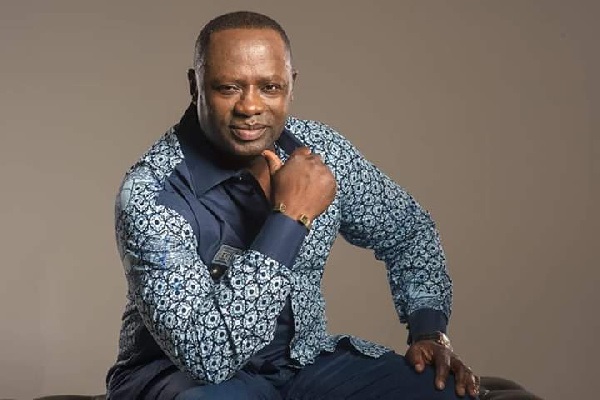


Facebook
Twitter
Pinterest
Instagram
Google+
YouTube
LinkedIn
RSS