


Ghana is set to have a national clean air policy by the end of 2026 to guide efforts at tackling air pollution, the Country Lead for the Clean Air Fund, Mr Desmond Appiah, has revealed.
He further disclosed that the Environmental Protection Agency (EPA) has agreed to play a guiding role in the policy development process, even though the formal mandate lies with the sector ministry.
“Last year, the EPA accepted that even though it’s not their mandate — it’s the mandate of the ministry — they will be guided by the EPA. So finally, we had a meeting here,” he added.
Speaking at a workshop for journalists focused on promoting excellence in clean air and climate change reporting, Mr Appiah said stakeholders are pushing to ensure that by the close of this year, at least a draft policy document is ready to serve as a national framework for managing air quality.
“It’s one of our goals that by the close of this year, we should have at least a draft national air quality policy or clean air policy — whichever way they name it. We need to have something which is a guiding principle for how Ghana intends to achieve this goal,” he indicated.
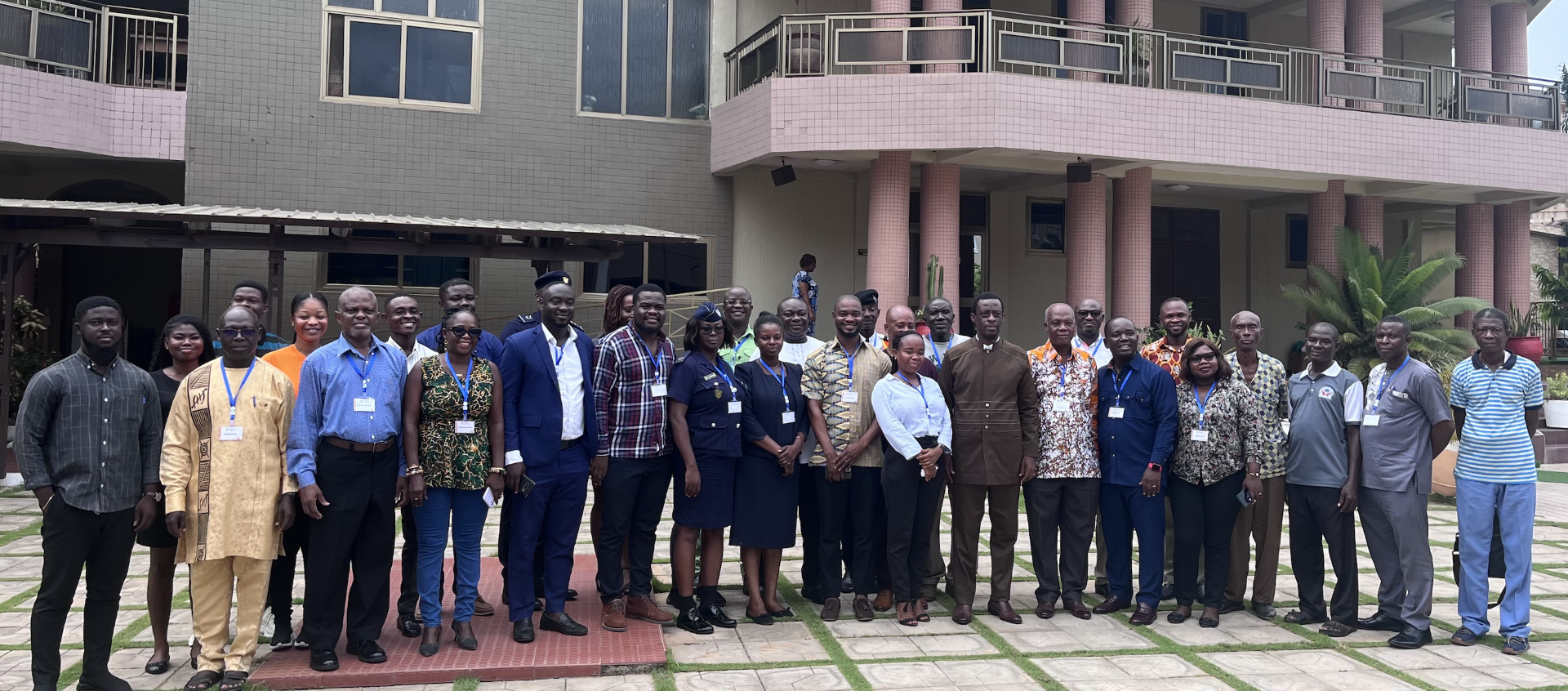
The workshop, organised by the Clean Air Fund in partnership with New Narratives, brought together journalists from across Ghana and Liberia to deepen their understanding of air pollution, public health, and climate change, and to improve the quality of reporting on these issues.
Mr Appiah explained that Ghana’s current air quality governance structure is fragmented, with about 29 different regulations touching on aspects of air pollution control.
According to him, this has created inconsistencies and weakened enforcement.
“Because we have 29 separate regulations that have an impact on air policy, instead of having one policy and then working to open it, we have gone the opposite direction,” he noted.
Moreover, he stressed that a unified policy is no longer optional, describing it as “not negotiable” if the country is serious about addressing air pollution and its health impacts.
According to experts, air pollution harms health because tiny particles (PM2.5) and gases like nitrogen dioxide (NO?) are small enough to enter the lungs and bloodstream. They cause inflammation, damage blood vessels, and increase the risk of asthma, heart disease, strokes, and early death.
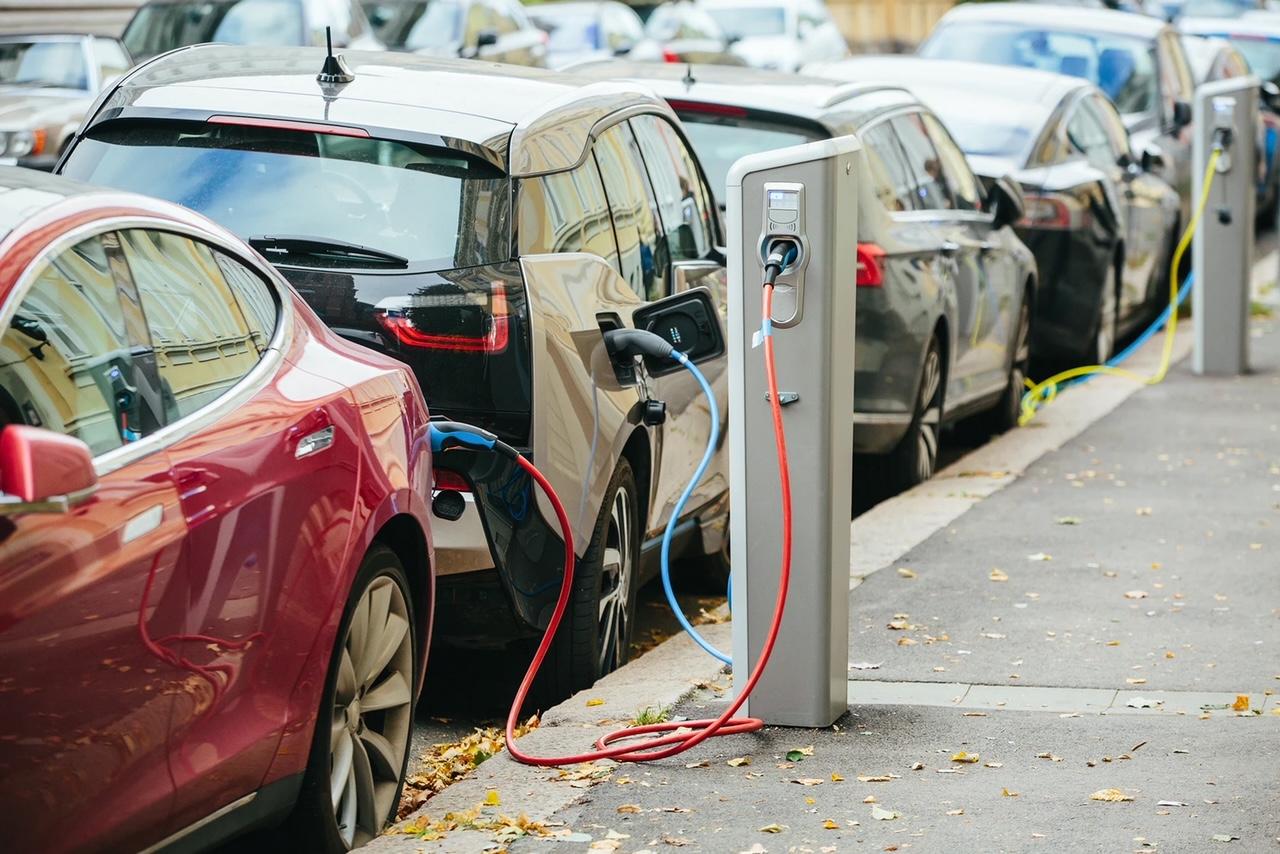
Vehicle exhaust, open burning, dust, and factories are the main sources. Children are especially vulnerable because their lungs are still developing at that stage.
From Kingsley E. Hope, Kumasi
Follow Ghanaian Times WhatsApp Channel today. https://whatsapp.com/channel/0029VbAjG7g3gvWajUAEX12Q
???? Trusted News. Real Stories. Anytime, Anywhere.
? Join our WhatsApp Channel now! https://whatsapp.com/channel/0029VbAjG7g3gvWajUAEX12Q
The post National air pollution policy in the offing – Desmond Appiah appeared first on Ghanaian Times.
Read Full Story








Facebook
Twitter
Pinterest
Instagram
Google+
YouTube
LinkedIn
RSS