


…catalyzing economic transformation
Constance GBEDZO
The Volta Region is uniquely positioned to become a major hub for agribusiness under the government’s economic transformation agenda, specifically the “Feed Ghana” initiative. Blessed with fertile land, abundant water resources (from the Volta River and Lake Volta), and a diverse agro-ecological zone, the region offers vast, untapped potential for investors looking to establish large-scale, value-added agricultural operations.
Volta is also a land of extraordinary scenic beauty—a compelling mix of mountains, waterfalls, tropical forests, serene beaches, and the majestic Volta Lake. The strategy is to move beyond viewing these sites as mere attractions and turn them into a holistic, world-class tourism ecosystem centered on eco-tourism, adventure, and heritage.
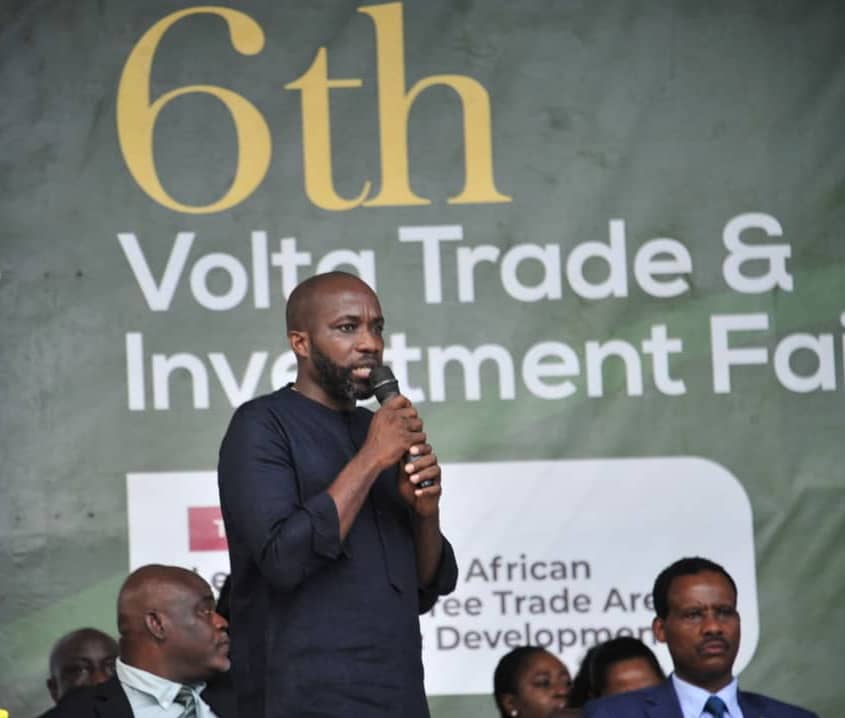
It is in this spirit that the Volta Investment Summit dubbed ‘Volta is Rising Again’, offers opportunity to the citizenry to participate in the economic transformation agenda of the government. It is a strategic national platform to showcase and facilitate investment into the region’s vast, untapped potential. It aims to transform the Volta Region into a vibrant hub of trade, industry, and commerce, serving as Ghana’s Eastern Gateway to the West African market, and a competitive tourist attraction to the world.
The Summit is moving beyond general ideas to present bankable, investment-ready projects across the region. The Region is actively seeking investors for specific, integrated agro-industrial parks designed to service both the Ghanaian and ECOWAS markets, and the development of infrastructure that links its unique natural assets, specifically supporting “Night Tourism” and high-value cultural experiences.
Why Volta Now?
The investment atmosphere in the Volta Region is ripe in the following areas:
- Strategic Location and Market Access: The region’s border with Togo provides direct access to the wider West African corridor, including Benin and Nigeria. The Summit leverages this position to attract export-oriented industries and help investors tap into the opportunities presented by the African Continental Free Trade Area (AfCFTA).
- Decentralized Economic Growth: The platform addresses the need for balanced national development by showcasing bankable, investment-ready projects across key sectors (agribusiness, tourism, renewable energy) to channel domestic and international capital away from Accra.
- Pioneering the 24-Hour Economy: The Fair serves as a tangible demonstration of maximizing productivity. Investment in key sectors that can operate round-the-clock, such as logistics, processing plants, and hospitality, is being actively promoted to support this national goal.
Transforming Volta into Ghana’s Food Basket
The Volta Region, with its fertile land, abundant water resources (from the Volta River and Lake Volta), and diverse agro-ecological zones, offers vast, untapped potential for large-scale, value-added agricultural operations. The specific investment opportunities drawn from the latest regional economic blueprints and the GIPC’s Investment Opportunity Mapping Project (IOMP) are as follows:

- Agro-Processing and Value Addition
This is the most critical area for investment which is directly addressing post-harvest losses and boosting export revenue. The focus is on implementing the Volta Corridor Economic Potential plan, which strategically links production, processing, logistics, and export under the 24-Hour Economy framework.
- Rice Milling & Processing: The region has areas suitable for rice cultivation (e.g., in low-lying and riverine areas). Investment is needed in modern, high-capacity rice milling plants with color sorting technology, and professional packaging and storage in Ketu North, North Tongu, and Jasikan to process the region’s large rice harvest for local and regional markets. Opportunities include setting up silos and dryers to eliminate post-harvest losses and ensure all-year supply for the 24-hour retail and food service economy.
- Cassava Derivatives: Cassava is a major crop in the Volta Region. Industrial-scale production of high-value derivatives; High-Quality Cassava Flour (HQCF) for industrial use as an industrial input in baking, brewing, and plywood manufacturing, and commercial Starch/Ethanol Production essential for pharmaceuticals, textiles, and brewing. This shifts agriculture from raw produce to industrial inputs, increasing local value addition significantly. The opportunity lies in securing feedstock through organized out-grower schemes.
- Fruit and Vegetable Processing: Establishing facilities for canning, juice extraction, and drying of popular crops like mangoes, pineapples, tomatoes, pepper, and coconut. This includes investing in the cold chain logistics (cold storage and refrigerated transport) necessary to move fresh and processed produce.
- Oil Palm Cultivation and Processing: The government also plans to support initiatives like the Volta Palm Project to expand oil palm cultivation in Ketu North, Jasikan, and Hohoe, and establish modern palm oil mills and refinement facilities.
- Aquaculture & Processing: Promoting commercial fish farming (tilapia, catfish, etc.) in Lake Volta and the Keta Lagoon. An investment in Aquaculture and Blue Economy Cluster in the (Coastal Districts; Anloga, Keta, and Ketu South) in large-scale fish hatchery systems and commercial tilapia/catfish farms in the Keta Lagoon and Lake Volta, including, setting up fish smoking, freezing, and seafood export facilities. This would tap into high domestic and regional demand for protein, and support the development of the coastal economy.
- Large-Scale Commercial Farming and Irrigation
The sheer scale of suitable land requires large capital for efficient operation in the following areas:
- Integrated Agribusiness Hubs: Investment in the establishment of large, integrated farms and processing clusters centered on key commodities like rice, maize, and cassava that is complete with central collection points, storage, and initial processing units.
- Modern Irrigation Systems: Leveraging the Volta Lake and its tributaries, and investments in commercial irrigation schemes are vital to ensure all-year-round production, especially in the transitional zones. This guarantees all-year-round crop production, making the region a reliable food source and mitigating climate change risks. This makes the region a reliable source of food even during dry seasons, and supporting the 24-Hour Economy.
- Cold Chain Logistics: An investment is required in cold storage facilities situated in Ho Municipality and Ketu South (Aflao, near the Ho Airport and the Aflao border and refrigerated transport fleets for fresh fruits, vegetables (mangoes, pineapples, tomatoes), and aquaculture products. This will help in extending the shelf life of produce, ensuring year-round supply and meeting international quality standards for export. This hub would aggregate and certify regional produce (fruits, vegetables, fish) for cold-van transport and export, meeting EU and US market standards
- Agricultural Technology and Services
- Mechanization and Equipment Leasing: Investment in modern machinery (tractors, harvesters, planters) and establishing mechanization service centers to provide affordable rental services to smallholder farmers.
- Digital Agriculture Platforms: Developing and funding digital input platforms and precision farming technologies to improve yields, manage resources, and connect farmers directly to markets and financial services.
- Training and Innovation Center: Funding the establishment of a Volta Agribusiness Training and Innovation Centre to provide continuous learning, agribusiness management skills, and incubation support to young agripreneurs.
Investment Opportunities Tourism and Hospitality
Volta Region is a blend of mountains, waterfalls, tropical forests, serene beaches, and the Volta Lake. Investment is needed to transform these sites into a holistic, world-class tourism ecosystem centered on eco-tourism, adventure, and heritage. There are gaps in hospitality and accommodation, and recreational tourism.

- Hospitality and Accommodation Infrastructure
There is currently limited hotel capacity in the Volta Region, which is a major constraint. This limitation presents a clear investment opportunity in the following areas:
- Eco-Lodges & Green Resorts; developing high-end, sustainable, eco-friendly accommodation near natural attractions like the Wli Waterfalls, Mount Afadjato, Tafi Atome Monkey Sanctuary and the Keta Coast. These lodges should incorporate renewable energy and sustainable practices. While this addresses the limitation of quality hotel capacity, it guarantees attracting high-spending international and domestic tourists. This would also enhance visitor centers, and modern adventure attractions like ziplines or canopy walkways at the Wli Waterfalls and Mount Afadjato/Gemi areas. It also includes upgrading access roads and utilities for a 24-hour operation potential.
- Boutique Hotels and Conference Facilities; building high-standard hotels in the capital, Ho, and major towns like Keta and Hohoe to cater to growing business in summit-related, and international tourist demands, including modern conference and convention centers.
- Recreational Tourism Development
Capitalizing on the region’s diverse landscape for adventure seekers.
- Beach and Lagoon-front Resorts: An investment is required for the development of a full-service, themed resort combining beach access, water sports, and integrated heritage tours, i.e. Fort Prinzenstein, Keta Lagoon. This also aims at developing themed resorts along the serene Keta coastline and the Volta River Estuary at Sogakope, focusing on water sports, cruises, and relaxation, and attracting Diaspora tourism and high-end relaxation.
- Cable Car Projects: Investment in feasibility studies and construction of cable car experiences in the mountainous areas, such as the Akwapim-Togo Ranges (Amedzofe/Mt. Gemi) to offer unique vantage points and enhance accessibility. Investment in cable car projects (e.g., in the Akwapim-Togo Ranges), ziplines, canopy walkways, rock-climbing circuits and organized hiking trails, especially around the waterfalls and high peaks. This would help monetize the region’s mountainous landscape, creating unique adventure experiences and drawing a younger demographic.
- Volta Lake Cruises and Water Sports: Investing in Dzemeni, Kpando Torkor, and Sogakope and building modern, multi-purpose cruise vessels for leisure, transport, and events on the Volta Lake. This offers high-quality leisure boats and cruise ships to offer multi-day tours, packaged tours, complete with dining and entertainment on the Volta Lake, combined with developing dedicated water sports centers (jet skiing, kayaking, sailing) along the lake and estuary. This aims to unlocks the economic potential of the Volta Lake as a major tourist corridor, connecting multiple districts.
- Heritage/Cultural Site Modernization: Investment in the restoration, modern museology, and packaging of sites like Fort Prinzenstein in Keta, and local cultural villages. Integrates the region into Ghana’s heritage and diaspora tourism circuits, providing cultural depth to the tourist experience. An investment in a modern, medium-to-large-scale Convention and Conference Centre with associated high-standard Boutique Hotel capacity to host national and international business events, solidifying Ho, the Regional Capital, as the administrative and innovation hub.
Infrastructure and Logistics
Investment in logistics and industrial real estate is key to leveraging the region’s border location and its connectivity via the Eastern Corridor Road and the Volta Lake transport system. This offers the following investment options:
- Adaklu 24-Hour Industrial Park: Investment is sought for developing the initial infrastructure (roads, power, water, utilities) on a secured 1,500-acre land in Adaklu. The park is intended for light manufacturing, assembly, and export-oriented industries like garment manufacturing in reviving Volta Star Textiles.
- Bonded Warehouses and Dry Ports: Investment opportunities for private sector operators to develop and manage customs-bonded warehouses and Inland Container Depots (Dry Ports) in the Ketu South (Aflao) and North Tongu This facilitates efficient cargo handling and cross-border trade under the AfCFTA.
- Renewable Energy Manufacturing: Establishment of manufacturing facilities for renewable energy components (e.g., solar panel assembly) to feed Ghana’s green energy agenda. The region is already a target for investment in the renewable energy space.
In conclusion, the Volta Region has moved from presenting raw potentials to offering vetted, location-specific, and policy-aligned projects with supportive public-sector engagement (GIPC, GEXIM, and the Regional Coordinating Council). These investment pathways are designed to generate high returns for investors while simultaneously creating mass employment, improving food security, and positioning the Volta Region as the Eastern Economic Gateway of Ghana’s transformative growth agenda.
The writer is a Risk & Enterprise Development Expert
The post Investment opportunities in the Volta Region appeared first on The Business & Financial Times.
Read Full Story




Facebook
Twitter
Pinterest
Instagram
Google+
YouTube
LinkedIn
RSS