


By Prof. Samuel Lartey
Ghana is widely recognised as one of Africa’s success stories in digital finance. Since the introduction of mobile money in 2009, the sector has expanded rapidly, driving financial inclusion, small-business growth, and household resilience. According to the Bank of Ghana, mobile money transactions exceeded 1.9 trillion Ghana cedis in value in 2024, with more than 68 million registered accounts and over 400,000 active agents nationwide.
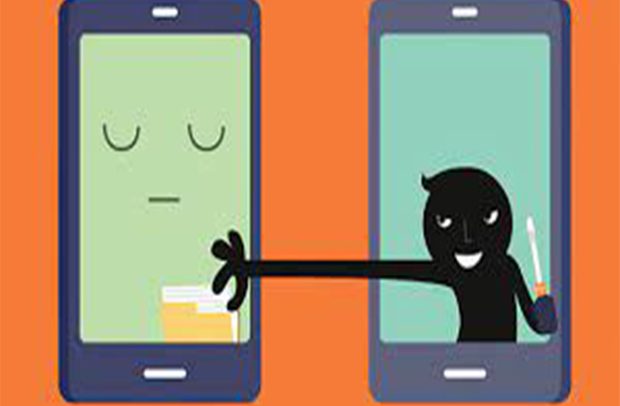
Yet beneath this remarkable growth lies a growing threat. Fraudsters are exploiting public financial disclosures on social media, messaging platforms and digital fundraising channels to infer insider knowledge about customer transactions. By analysing publicly shared payment appeals, donation screenshots and Mobile Money numbers, criminals identify active wallets, transaction timing patterns and vulnerable targets. Transparency, once a tool for trust and accountability, is increasingly becoming a risk.
This feature examines how fraudsters exploit public financial information, outlines the financial implications for Ghana, and provides practical mitigation strategies for stakeholders across the digital finance ecosystem.
The New Frontier of Fraud
Fraud in Ghana has evolved beyond technical hacking. Increasingly, it is behavioural and data-driven. On platforms such as Facebook, WhatsApp, Telegram and Instagram, users frequently share transaction screenshots, Mobile Money numbers and group savings updates to encourage transparency and community participation.
Fraudsters mine this publicly available data to
- Identify wallets that receive frequent transactions
• Detect transaction cycles and peak activity periods
• Map financial trust networks within communities
• Target individuals managing urgent fundraising campaigns
For example, a public health fundraiser in Accra posting daily donation updates with a visible Mobile Money number unintentionally signals high inflow activity. Fraudsters may use this information to initiate impersonation calls, phishing attempts or SIM swap attacks during peak transaction periods.
This method requires minimal technical sophistication. Basic spreadsheets and automated scraping tools are sufficient to analyse patterns and prioritise high-value targets.
Common Fraud Techniques in Ghana
- Social Engineering and Impersonation
Fraudsters impersonate mobile money agents, bank officials or fintech customer service representatives. Victims are persuaded to disclose one-time passwords or verification codes under the pretext of resolving account issues.
- SIM Swap Fraud
Criminals fraudulently obtain control of a victim’s phone number through deceptive SIM replacement requests. Once in control, they reset passwords and drain mobile wallets.
- Phishing Portals
Fake payment websites that mimic legitimate providers harvest login credentials and authorise unauthorised transfers.
- Group Savings Exploitation
Digital Susu and Esusu groups organised via messaging apps are infiltrated by fraudsters who share fake deposit confirmations before disappearing with funds.
- Physical and Operational Exploitation
Fraudsters also target crowded marketplaces and poorly supervised agent outlets, impersonating agents or stealing cash during peak hours.
Financial Impact on Ghana
Digital fraud is imposing measurable financial costs. Data from the Bank of Ghana Fraud Reports on Banks, Specialised Deposit Taking Institutions, and Payment Service Providers indicate a sharp rise in reported mobile money-related fraud.
In 2022, estimated losses stood at approximately 21 million Ghana cedis across 15,800 reported cases.
In 2023, losses rose to 36 million Ghana cedis with 28,500 cases.
By 2024, reported losses reached about 58 million Ghana cedis involving 47,600 cases.
This represents an increase of more than 170 percent in reported losses within two years.
The implications are significant
- Household savings and emergency funds are eroded
• Micro and small enterprises that rely heavily on mobile money experience liquidity shocks
• Public trust in digital financial services weakens
• Financial inclusion efforts risk stagnation
Given that mobile money transactions now exceed Ghana’s annual national budget in value terms, even marginal fraud rates translate into substantial economic losses.
Why Public Financial Transparency Can Be Risky
In Ghana’s communal culture, sharing screenshots of transactions demonstrates accountability and builds trust. However, such disclosures reveal
- Mobile numbers linked to verified identities
• Transaction sizes and frequency
• Community trust networks
• Periods of heightened financial activity
This constitutes information leakage. Fraudsters do not need direct system access when behavioural data is publicly available.
Mitigation Strategies for Stakeholders
Clients and Users
Avoid posting transaction screenshots publicly.
Use private or invite-only channels for group contributions.
Activate two-factor authentication and safeguard verification codes.
Mobile Money Agents
Educate customers on common fraud patterns.
Verify suspicious transactions in person where possible.
Report attempted fraud promptly to the operators.
Telecommunications Operators
Strengthen SIM replacement verification through biometric and multi-factor checks.
Deploy automated alerts for unusual SIM change requests.
Share threat intelligence with banks and fintechs.
Fintechs and Financial Institutions
Deploy machine learning tools to detect behavioural anomalies.
Provide in-app fraud education and real-time alerts.
Strengthen incident reporting and customer recovery mechanisms.
Regulators
The Bank of Ghana, the Securities and Exchange Commission, and the Data Protection Commission must intensify enforcement of data protection and cybersecurity standards.
Mandatory fraud disclosure frameworks and sustained national awareness campaigns are essential.
Conclusion
Ghana’s digital finance ecosystem is one of the most dynamic in Africa, enabling millions to transact, save and invest with unprecedented convenience. However, the same openness that fuels inclusion can expose users to exploitation.
Mobile money fraud is no longer confined to technical breaches. It is increasingly driven by behavioural analysis, public data mining and social engineering. With losses rising sharply between 2022 and 2024, the financial and psychological toll is real and measurable.
Sustaining Ghana’s digital transformation requires collective vigilance. Clients must rethink what they share publicly. Financial institutions and telecom operators must strengthen safeguards. Regulators must enforce accountability.
If managed proactively, Ghana can preserve trust in its digital financial system while continuing to expand inclusion, innovation and economic resilience in the years ahead.
The post When sharing becomes a scam: The Mobile Money fraud crisis appeared first on The Business & Financial Times.
Read Full Story






Facebook
Twitter
Pinterest
Instagram
Google+
YouTube
LinkedIn
RSS