


The Ukrainian foreign minister Andril Sybiha reported that over 1400 recruits from about 36 African countries have been participating in Russia’s war against Ukraine. These figures remain open to debate, however, growing evidence shows that some African nationals are directly engaged in combat operations, while others are engaged in auxiliary roles within Russia’s military complex.
These emerging concerns raise a set of critical analytical and policy-relevant questions. How did African nationals become involved in a European interstate conflict? What are the implications for African states? How are African governments responding? What policy options and preventive strategies can address the causes of this involvement and mitigate its long-term consequences?
Africa is rich in natural resources yet remains poor. This contradiction provides an important entry point for understanding this issue. The recruitment occurs through job offers in Russia, sometimes explicitly related to military roles targeting vulnerable Africans. It may also involve Africans who have migrated to Russia already seeking better lives.
The conditions, modalities, and timing of recruitment into Russia’s military complex raise serious political, human rights, and security concerns for African states. African countries, especially the Sahel region, perceive Russia as a strategic alternative to their Western partners. Russia also faces an acute need to bolster its military personnel.
Certain recruitment processes raise critical questions about the complicity of informal networks linking African labour markets and Russia’s military economy to human rights violations, deceptive recruitment practices, forced labour. It questions the pledges of African governments to protect their citizens in an increasingly securitized global labour market.
African states’ responses have varied considerably. South Africa, Namibia, Malawi, and Kenya, have acted by introducing stringent investigations and engaging Russian authorities. Other countries such as Ghana, have yet to take decisive or publicly visible action. This diverse responses to these issues emphasize the broader challenges of state capacity, political will, and migration governance across the continent.
In South Africa, the government is investigating how 17 of its nationals reportedly became mercenaries fighting in Ukraine. Kenyan authorities have similarly expressed concerns over citizens who were allegedly illegally recruited into the Russian military service. Malawi has launched a probe into the disappearance of young women who were recruited under the pretext of ordinary menial employment.
By contrast, despite credible reporting, Ghanaian authorities seem, at least publicly, not to have taken bold steps to address the involvement of their citizens in these recruitment processes. Consequently, these cases heighten the responsibility of African governments to protect their citizens from exploitation, regulate recruitment agencies, monitor outbound labour migration, and expand viable domestic economic alternatives. Multilaterally, these developments signal an urgent need for enhanced cooperation to counter illicit cross-border labour exploitation linked to global security crises.
In contemporary deepfake and disinformation era, the first task of African governments, including Ghana, should be to thoroughly investigate allegations of foreign recruitment into military roles and expose any networks involved. This involves investigating the suspected?illegal recruiting agents, their financial channels and visa procedures, auxiliary actors, and any official or institutional complicity in the process.
The government is also required to undertake public awareness campaign efforts that will warn citizens, about tempting job offers. Despite the existence of regulatory structures designed to govern their operations, labour recruiting companies in many African countries remain unregulated. These laws must be actively enforced, with clear penalties imposed on recruiters found culpable.
At the structural level, the continuance of such illegal recruitment practices is connected to the unwillingness or inability of numerous African states to invest sufficiently in youth employment opportunities. Besides, a critical yet frequently overlooked dimension of this issue is the post-repatriation phase.
African citizens who become entrapped in coercive recruitment arrangements often receive inadequate psychological, social, and legal support upon their return. The provision of an effective reintegration process should encompass trauma-informed psychological care, legal assistance, and state-led initiatives geared towards promoting accountability.
Finally, addressing this issue necessitates concerted global action. African states and relevant international organizations should cooperate to stop illicit recruiting networks, regulate cross-border labour flows in conflict zones, and promote once more international norms concerning human trafficking, forced labour, and exploitative employment of foreign nationals into armed conflict.
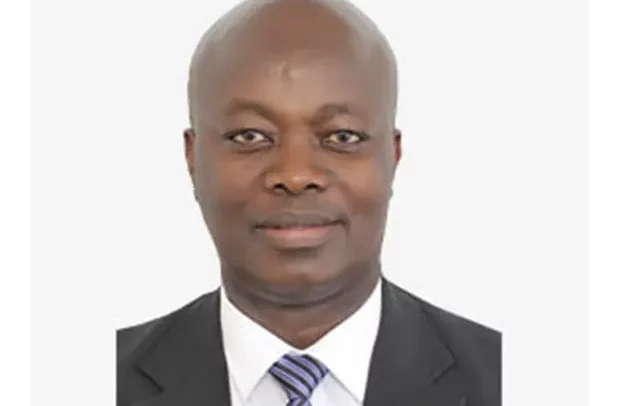
By: Dr. Ahmed Badawi Mustapha
(The writer is a Research Fellow at the Institute of African Studies, University of Ghana. His research broadly intersects Religion, Politics, and Security)
Editor’s note: Views expressed in this article do not represent that of The Chronicle
The post Interrogating Recruitment of Young Africans into Russia’s Military Complex appeared first on The Ghanaian Chronicle.
Read Full Story








Facebook
Twitter
Pinterest
Instagram
Google+
YouTube
LinkedIn
RSS