


By Chalcy AMO ASANTE, KNUST Campus Correspondent
The Chief Executive Officer of the Ghana National Chamber of Commerce and Industry (GNCCI), Mark Badu Aboagye, has revealed that nearly 90% of fresh graduates in Ghana struggle to secure employment within a year of completing their studies. He further disclosed that about 1.4 million young Ghanaians are currently unemployed, underscoring the urgency of tackling the country’s youth unemployment crisis.
Mr. Aboagye disclosed this at the signing of a Memorandum of Understanding (MoU) between GNCCI and the Kwame Nkrumah University of Science and Technology (KNUST) to launch the Junior Chamber initiative.
The program, themed “Empowering the Next Generation of Entrepreneurs,” is designed to reorient students from job-seeking to job creation by providing mentorship, access to networks, and pathways to capital.
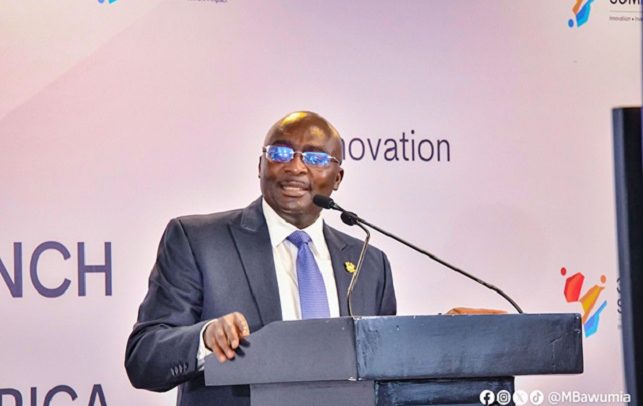
Speaking at the ceremony, KNUST Pro Vice-Chancellor, Professor David Asamoah, emphasized the importance of bridging the gap between academic training and industry demands. He said the initiative would help position KNUST as a hub not only for knowledge but also for enterprise development, producing graduates who are entrepreneurial, innovative, and solution-oriented.
GNCCI President, Stephane Miezan, reinforced the message by noting that the majority of the world’s wealthiest individuals are entrepreneurs rather than employees, stressing the need to cultivate entrepreneurial ambition among Ghana’s youth.
The event also featured contributions from industry leaders. Success Peters, co-founder of AgriCycle Limited, shared his entrepreneurial journey, highlighting the critical role of institutional support and professional networks in scaling startups. The CEO of Adroit Bureau Limited outlined a practical framework for aspiring entrepreneurs, identifying product creation, market testing, and scaling as the three foundational stages of business development.
Government support was signaled by Hon. Ben Abdullah, Municipal Chief Executive of Asokore Mampong, who delivered remarks on behalf of the Ashanti Regional Minister, Dr. Frank Amoakohene. He pointed to government-backed programs targeting youth employment and entrepreneurship, affirming the administration’s commitment to creating an enabling environment for young business owners.
With the MoU now formalized, the KNUST-GNCCI Junior Chamber is expected to serve as a structured platform connecting students with established business leaders, fostering mentorship, peer networking, and tangible support for entrepreneurial ventures.
The initiative reflects a growing recognition among Ghana’s stakeholders that addressing youth unemployment requires more than job placement strategies. It demands a fundamental shift in how educational institutions prepare graduates for an economy that increasingly rewards innovation, resilience, and entrepreneurial courage.
However, there are numerous challenges facing fresh graduates and startups in Ghana’s job market which need to be looked at.
Analysts have argued that the Ghanaian economy has not expanded at a pace that matches the growing number of graduates entering the workforce each year. With thousands of students graduating annually, the formal sector struggles to absorb them, leaving many to compete for a small pool of available positions. This bottleneck has contributed significantly to the rising unemployment figures.
Another notable challenge is a large proportion of graduates who continue to depend on the public sector for jobs, despite limited openings. This dependence on government employment reflects a lack of diversification in career aspirations and highlights the need for stronger private sector participation in job creation. Without a shift toward entrepreneurship and private enterprise, the imbalance will persist.
Again, while entrepreneurship is increasingly seen as a solution, fresh graduates face significant barriers in starting businesses. Access to capital remains a major hurdle, with banks often reluctant to lend to inexperienced entrepreneurs.
In addition, many graduates lack mentorship, networks, and structured guidance to navigate the complexities of building sustainable enterprises, with government business regulatory agencies like FDA among others, making unrealistic demands and requirements which startups can barely meet.
These barriers often discourage young people from pursuing self-employment as a viable alternative.
The KNUST-GNCCI Junior Chamber initiative seeks to address these challenges by equipping students with entrepreneurial skills, mentorship, and access to resources.
With the MoU now formalized, both institutions have committed to building a pipeline that produces graduates who are not only employment-ready but enterprise-ready
The post 90% of fresh graduates struggle to secure jobs – Chamber of Commerce appeared first on The Business & Financial Times.
Read Full Story








Facebook
Twitter
Pinterest
Instagram
Google+
YouTube
LinkedIn
RSS